The best way to put on liquid foundation is less about piling on product and more about controlling moisture, pressure, and placement. After working on thousands of faces, I have learned that a natural base usually comes from using less foundation than you expect and blending it where you actually need coverage. You are already beautiful; this is simply a way to let your skin look polished while still looking like skin.
Start with skin, not foundation
The best way to put on liquid foundation begins at least five minutes before the bottle comes out. Cleanse gently, then apply a light moisturizer suited to your skin. If your face is dry, press moisturizer into the cheeks and around the nose. If your forehead and chin become shiny quickly, use a thinner layer there rather than skipping hydration altogether.
Give skin a moment to settle. Foundation applied over wet moisturizer can slide, separate, or gather around pores. A broad-spectrum SPF belongs underneath daytime makeup, but allow it to dry before you continue. If sunscreen leaves a slick finish, press a clean tissue over the center of your face. Do not rub; rubbing can lift the layers you just applied.
Primer is optional, not a required tax on getting dressed. A smoothing primer can help around visible pores, while a gripping formula can help makeup last through a long wedding day or warm commute. Use a rice-grain amount only where it helps. Covering your entire face with several slippery layers often creates more texture, not less.
Choose the right tool and amount
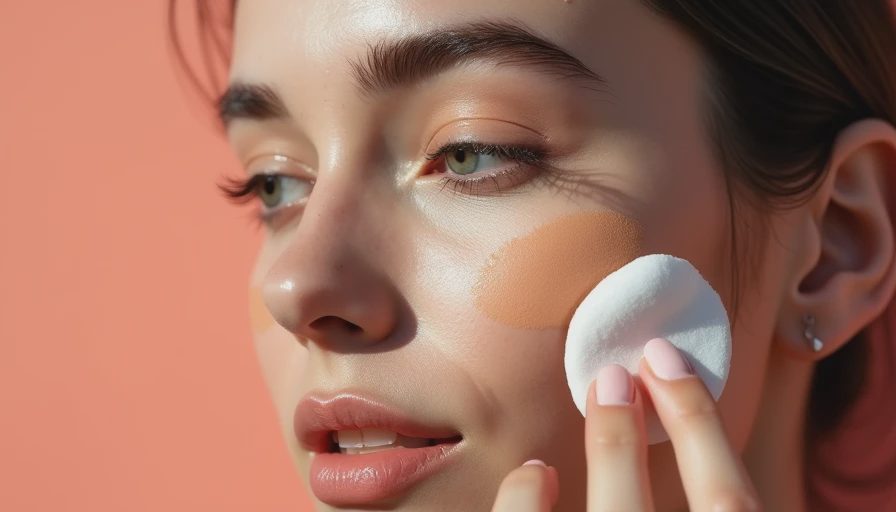
The best way to put on liquid foundation depends partly on the formula. A sheer serum foundation behaves differently from a thick cream formula, so begin with the smallest amount that could reasonably cover your face. Put one pump, or a few small drops, on the back of your clean hand. You can always add more; removing an overloaded base is a much messier project.
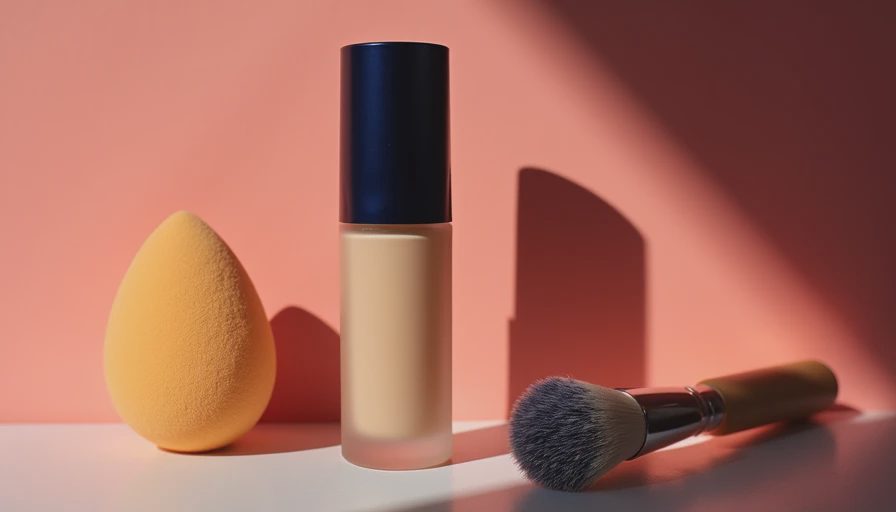
Fingers are excellent for lightweight foundation because the warmth of your hands helps spread the product thinly. A damp makeup sponge gives a soft, diffused finish, especially around the nose and under the eyes. A dense foundation brush offers more coverage and works well with formulas that set quickly. There is no prize for using the fanciest tool. A clean tool matters more than a luxury label.
Wash brushes at least weekly if you use them often, and rinse a sponge thoroughly after every use. Let a sponge dry in an open, airy spot rather than sealing it wet inside a makeup bag. Clean tools reduce old product buildup and make blending noticeably easier.
Apply from the center outward
The best way to put on liquid foundation is to place most of it at the center of the face, where redness and uneven tone are often most noticeable. Dot a little across the cheeks, beside the nose, and on the center of the forehead and chin. Then blend outward with short pressing or stippling motions.
Do not drag a heavy stripe from your cheek to your jaw. That spreads coverage away from the area that needs it and can leave a visible edge. Instead, use the remaining product on your tool to soften the transition near the hairline and jaw. The skin near those borders often needs almost no foundation.
Around the nose, switch to a smaller brush or the corner of a sponge. Press rather than sweep, because repeated swiping can move foundation out of the crease. For the eyelids, use only leftover product unless you specifically want fuller coverage. Too much base there can crease before you have finished your coffee.
Build coverage without making a mask
The best way to put on liquid foundation includes a pause. After your first thin layer, look at your face in natural window light. Take a few steps back from the mirror. You may discover that the finish already looks even, and that one tiny spot is the only place that needs another layer.
For extra coverage, tap a small amount directly onto that area and feather the edges. This is more convincing than applying a thick layer everywhere. If you have a blemish with dry skin around it, apply foundation lightly and use a separate concealer only on the center of the spot. Makeup should not turn one detail into the main event.
If foundation looks heavy, press a clean, slightly damp sponge over the face. This removes excess product without stripping everything away. A fine mist can also help some formulas settle, but it cannot rescue a base that was applied too thickly. Start with less next time.
Set the areas that actually need it
The best way to put on liquid foundation does not require powder across every inch of your face. If your cheeks are comfortable and fresh, leave them alone. Use a small fluffy brush to press translucent powder around the sides of the nose, center of the forehead, or chin if those areas become shiny.
For a dry or mature-looking finish, cream blush can go over unset foundation, followed by a very light veil of powder only where needed. For oily skin, a pressed powder touch-up is often more practical than adding more liquid foundation during the day. Blot first, then powder. Adding powder directly over oil can create a thick, grainy patch.
Keep a small tissue or blotting paper in your bag for travel. In Seattle rain, hotel air-conditioning, and summer heat, your skin will change during the day. Adjusting one zone is easier than trying to preserve a perfectly frozen finish everywhere.
Fix common foundation mistakes
If the base separates around your nose, check the layers underneath before blaming the foundation. Too much moisturizer, sunscreen, or primer can create a slippery surface. Try using thinner skincare, waiting longer, and pressing instead of rubbing. If the product gathers in pores, you may also be using too much or applying it with a fast sweeping motion.
If the color looks wrong, test foundation along the jaw and let it sit for several minutes. Some formulas deepen slightly as they dry. Compare the shade in daylight, not only under a warm bathroom bulb. A close match is usually more flattering than trying to force your face and neck into two different colors.
If the finish looks flat, add dimension with blush, bronzer, or a touch of highlighter rather than more foundation. A face, a hairstyle, and an outfit are one thing, not three, so consider the whole look. A soft vintage blouse and brushed brows might need a different base mood than a sharp black liner and satin dress.
A simple routine worth repeating
The best way to put on liquid foundation is the routine you can repeat without rushing: moisturize, wait, apply a small amount in the center, blend outward, pause, then spot-correct. Use fingers for speed, a sponge for softness, or a brush for targeted coverage. None of these choices decides whether you look beautiful. They simply change the finish.
I test makeup in real light, on long days, and after ordinary life has had its say. Drugstore foundations can be lovely, while a more expensive bottle can still disappoint if the shade or texture is wrong. Spend where it makes sense for you, keep your tools clean, and do not let beauty marketing convince you that a complicated routine is the only good one.
When you are ready, take one final look from a normal conversational distance instead of pressing your nose to the mirror. If the skin looks like skin and you feel comfortable, you are finished. You are already beautiful; the makeup is just helping the rest of your look tell the same story.


No notes yet — write the first one.