If you have ever held three foundation bottles under a bathroom light and thought, “What skin shade am I?” you are in very good company. Shade matching is not an exact science performed by people who were born knowing their undertone. It is a small detective project, and the clues are already on your face, neck, and chest. You are already beautiful; the goal is simply to make your makeup look like it belongs to you.
Skin shade and skin undertone are different
Your skin shade describes how light or deep your complexion appears. Common shade descriptions include fair, light, medium, tan, and deep, although every brand organizes those categories differently. Your undertone is the color beneath the surface: warm, cool, neutral, or sometimes olive.
This distinction explains why a foundation can look too orange even when the depth seems correct. The bottle may match your overall shade but have a warm undertone when your skin is cool or neutral. The opposite can happen too: a cool formula may look pink, gray, or slightly lavender on warmer skin.
When someone asks what skin shade am I, I suggest answering two questions instead. How light or deep is my skin today? What undertone appears beneath it? That combination gives you a much more useful starting point than a label such as “beige.”
How to find your skin depth in daylight
Start without makeup, preferably after washing your face and waiting a few minutes for redness to settle. Stand near a window with indirect daylight. Direct sunshine can create bright patches, while yellow bathroom bulbs make almost everyone look warmer than they are.
Look at your jawline, neck, and upper chest rather than only your cheeks. Cheeks can be pink from weather, skincare, exercise, or irritation. Your jawline is useful because it shows where facial makeup needs to meet the rest of you. If your face and neck differ slightly, choose the shade that blends most naturally across the jaw instead of matching the center of your face.
For depth, compare yourself with a brand’s actual swatches, not a model photograph on a different screen. A fair shade usually sits at the palest end of a range, while light, medium, tan, and deep move progressively darker. These words are only rough road signs. One company’s medium can resemble another company’s light-tan shade.
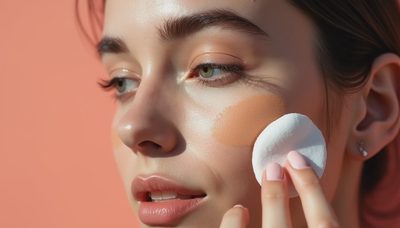
A practical test is to place three close shades in narrow stripes from your lower cheek to your jaw. Give them ten minutes to dry. The best match often seems to disappear rather than look exciting. If one stripe looks noticeably pink, yellow, orange, gray, or pale against your neck, it is not your best match.
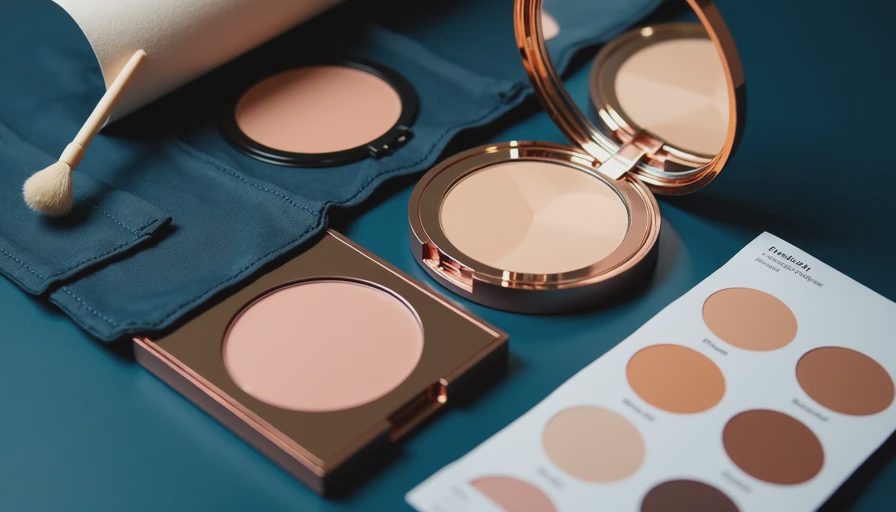
What skin shade am I if my undertone is confusing?
Undertones are easy to overthink because skin is wonderfully complex. Veins are not a perfect test, but they can offer a clue. Veins that look mostly blue or purple often appear with cool undertones. Greenish veins can suggest warmth. If you see both, you may be neutral. Still, indoor lighting and natural skin variation can make this test unreliable.
Jewelry can provide another hint. If silver looks especially harmonious, you may lean cool; if gold seems to echo your skin, you may lean warm. Looking equally comfortable in both points toward neutral. This is not a rule about what you are allowed to wear. It is simply an observation, and your personal style gets the final say.
Olive undertones deserve special attention. Olive skin can be light, medium, tan, or deep, and it often has a subtle green or muted cast. Foundation that is too pink can look rosy, while foundation that is too yellow can turn golden-orange. Look for descriptions such as neutral olive or olive, and always test in person when possible.
If you are still asking what skin shade am I after trying these clues, use real foundation samples. Undertone names are more useful when you see them on your own skin.
The best way to test foundation shades
Apply a small stripe of each candidate from the lower cheek down toward the jaw. Do not rub the colors into tiny dots; a stripe makes differences easier to see. Test no more than three or four at once so your eyes do not become overwhelmed.
Wait for the formula to dry. Some foundations deepen slightly as they set, a process commonly called oxidation. Check the match in window light, then take a quick phone photo with the flash off. Cameras are not perfect, but a shade that looks dramatically orange or pink in a neutral photo deserves another look.
Consider the season, too. Many people are a little lighter in winter and a little deeper after summer. You do not necessarily need a whole new bottle. Mixing a lighter and darker shade, using a sheer formula, or adjusting with a face tint can stretch what you already own. Brands such as NARS, MAC, Fenty Beauty, Maybelline, and L'Oreal organize shades differently, so do not assume a familiar shade number transfers between them.
Matching concealer, blush, and bronzer
Once you know what skin shade am I really describing, the rest of your makeup becomes easier to choose. For blemish concealing, select a concealer close to your foundation depth and undertone. A brightening concealer can be one shade lighter, but going several shades lighter often creates a visible pale patch instead of a rested look.
Blush does not need to match your undertone perfectly. Cool pink, warm peach, terracotta, berry, and rose can all work; the difference is how softly you apply them and how they connect with your lipstick and clothing. For bronzer, look for warmth without a strong orange cast. A neutral-brown bronzer often looks more believable than a very golden one.
A face, a hairstyle, and an outfit are one thing, not three. If your clothing is a muted rust color, a softly warm blush may make the whole look feel intentional. With a blue vintage blouse, rose or berry can create harmony without turning your makeup into a costume.
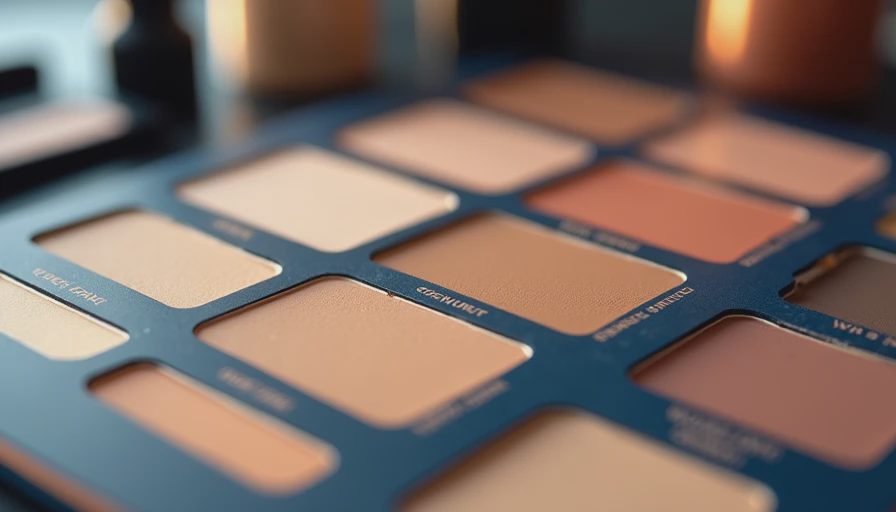
A calm shade-matching routine that actually works
Begin by removing foundation from your jaw and checking your skin in daylight. Next, identify your approximate depth, then decide whether your undertone leans warm, cool, neutral, or olive. Choose two or three formulas with different undertone descriptions rather than testing five nearly identical beige shades.
Swatch along the jaw, wait for the formula to settle, and inspect it after walking between indoor and outdoor light. If the best color disappears at the jaw but looks slightly different on your forehead, use a small amount there and blend downward. Your face does not need to be one flat, perfectly uniform color to look polished.
If your answer to what skin shade am I changes between brands, that is normal. Pigments, formulas, finish, and shade systems vary. A satin foundation can reflect light differently from a matte one, and a sheer tint will be more forgiving than full coverage. Keep notes on shades that work, including the brand, name, undertone, and season.
The right match should make you think about your eyes, cheeks, or lipstick—not about the foundation itself. Let me just show you: good makeup supports your features; it does not erase them. You were already beautiful before the swatches, and you will still be beautiful while you are figuring them out.

No notes yet — write the first one.