If you have ever searched eye makeup first or foundation first while holding a blending brush in one hand and a sponge in the other, you are in good company. Makeup order sounds like a tiny detail until eyeshadow fallout lands across a freshly perfected cheek. After working on more than 3,000 faces, I can tell you there is no single rule for every face, finish, or morning schedule. Still, there is a best starting point for most looks, and it is easier than beauty internet makes it seem.
The short answer: start with your eyes for messy looks
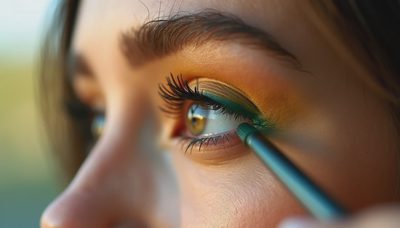
For a smoky eye, glitter lid, colorful shadow, or strong winged liner, I usually do eye makeup first. Powder shadow can drop beneath the eyes, and mascara can leave little black marks while you blink or look down. If your complexion is not finished yet, you can sweep away the mess without disturbing concealer or foundation.
This order also helps when you are testing a new palette. You can blend, soften, or remove the entire eye look before spending time on skin. I learned this on editorial jobs in Seattle, where a dramatic burgundy eye looked gorgeous under studio lights but shed enough pigment to require a quick cleanup. Starting with the eyes saved the base and saved several minutes.
Eye makeup first or foundation first becomes less of a debate when you ask one practical question: could this eye look create fallout or smudges? If the answer is yes, begin with clean, moisturized skin and leave foundation for later.

When foundation first makes more sense
A soft daytime look often works beautifully with foundation first. If you are wearing a wash of cream shadow, brown pencil, curled lashes, and a light layer of skin tint, there is little loose pigment to worry about. Completing the complexion first lets you see exactly how much eye makeup you need. A sheer base can make a pale shadow appear brighter, while a fuller base may mean you need less blush and bronzer than expected.
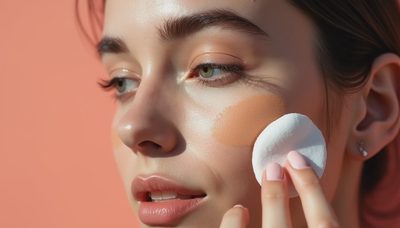
Foundation first is also useful for clients with dry or textured areas who need time for skincare and complexion products to settle. Apply moisturizer, sunscreen, and primer where you use them, then give each layer a moment before adding base. A damp sponge can press product into the skin without making it look heavy. For a casual coffee run, this approach is quick, comfortable, and unlikely to create a cleanup crisis.
There is no beauty prize for choosing the more complicated order. You are already beautiful; the sequence is simply a tool for making your routine calmer.
My favorite compromise for real mornings
When I want a polished look without committing to a full face, I split the routine. First, I do brows and eyeshadow, stopping before mascara. Next, I apply foundation, concealer, cream blush, and powder where needed. Finally, I return to eyeliner and mascara. This gives me the fallout protection of eye makeup first while keeping the lashes fresh and the complexion visually balanced.
The split method is especially helpful with a satin or matte shadow that needs careful blending. It also prevents a common mistake: applying dramatic liner before you know how your foundation and concealer change the shape around your eyes. Once the base is done, you can extend the wing or deepen the outer corner with better perspective.
If you are asking eye makeup first or foundation first because one eye always looks different from the other, this middle path can help. Build the structure early, then make the final adjustments after your complexion is complete.
How to prevent fallout either way
Good technique matters more than a rigid rule. Tap excess powder off your brush before it reaches your lid, especially with highly pigmented palettes. Press shimmer on with a fingertip or a slightly damp flat brush instead of sweeping it across the skin. For loose glitter, use an appropriate cosmetic adhesive and keep a clean tissue beneath the eye during application.
If you already applied foundation, do not panic. Let fallout sit briefly, then lift it with a piece of clean tape or a small, dry fluffy brush. For a stubborn dark mark, use a cotton swab with a tiny amount of micellar water, clean the area, and touch up concealer. Avoid rubbing; friction can make the patch look more obvious than the original fallout.
Cream products create their own order. Cream shadow generally belongs before powder shadow, and cream blush is easiest over foundation before setting powder. Once powder is down, layering wet products can disturb the finish.

Choosing the order for your eye look
For a soft neutral look, foundation first is perfectly sensible. Try a $10 to $15 skin tint, a neutral cream shadow, and brown mascara when you want your freckles and natural skin to remain visible. For a smoky evening eye, eye makeup first is the cleaner choice. Use a drugstore palette if its shades blend well; a $50 palette is not automatically more forgiving.
For winged liner, I often apply a thin base first, then eyeshadow, foundation, and the final liner. The foundation gives me a clean reference point, while the last liner pass keeps the edge sharp. With glitter, bright blue, or deep green shadow, start with the eyes and consider placing a folded tissue under each eye while packing on color.
Photography adds another consideration. Flash and strong daylight can reveal powder sitting beneath the eyes, so keep that area light and flexible. If you need coverage, use thin layers rather than building a thick mask simply because the eye look is dramatic.
A simple routine you can repeat
Begin with clean hands, moisturized skin, and sunscreen if it is daytime. Decide whether your eye products are powdery, glittery, or likely to smudge. For those looks, do brows and eyes first, clean the under-eye area, then apply complexion products. For a quiet everyday face, use foundation first and keep the eye products creamy and controlled.
Once the base is complete, add blush, bronzer, and highlighter in thin layers. Check your face near a window, because warm bathroom bulbs can hide uneven blending. Finish mascara last whenever possible, especially if your lashes touch the brow bone or under-eye area while you work.
When friends ask eye makeup first or foundation first, I tell them to choose the order that protects the product requiring the most patience. That might be a carefully blended eye, or it might be a luminous foundation you have taken time to sheer out. Your routine should serve your face, not a rulebook.
Final answer for your makeup bag
So, eye makeup first or foundation first? Choose eye makeup first for fallout-heavy, colorful, smoky, or glittery looks. Choose foundation first for soft, low-mess makeup when you want to judge the whole complexion before adding definition. Use the split routine when you want both control and speed.
The best order is the one that leaves you with less wiping, less rushing, and more room to enjoy the process. Makeup is not a test you can fail, and a smudged first attempt is simply information for the second. Let me just show you: work in thin layers, keep a clean brush nearby, and adjust as you go. You're already beautiful.

No notes yet — write the first one.