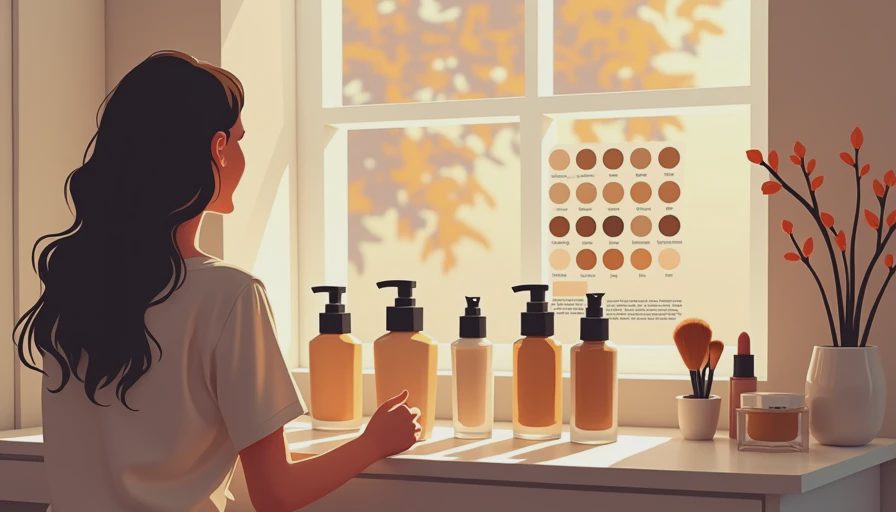
If you have ever stood in front of a beauty aisle wondering, “what kind of foundation should i use,” you are in very good company. Foundation comes in liquids, creams, powders, sticks, skin tints, matte finishes, radiant finishes, and about a thousand shades that all look strangely similar in the bottle. Let me make it easier: the best foundation is the one that suits your skin’s behavior, the coverage you actually enjoy wearing, and the life you are heading into today. You are already beautiful; makeup is simply one way to play.
Start with your skin, not the marketing label
If your skin feels tight after cleansing, look for a hydrating liquid or serum foundation with a natural or radiant finish. Ingredients such as glycerin, squalane, and hyaluronic acid can help the formula feel more comfortable, although the overall product texture matters more than one exciting ingredient. Dry skin often looks happiest when you apply a thin layer over moisturizer and allow your skincare to settle first.
For oily skin, a soft-matte liquid, powder foundation, or oil-controlling formula can reduce shine without making your face look flat. I prefer applying mattifying foundation only where shine develops, such as the center of the forehead, nose, and chin. A completely matte layer from hairline to jaw can look heavy in daylight, especially if the rest of your makeup is soft and luminous.
Combination skin usually needs a little strategy rather than one rigid product. You might use a natural-finish liquid over the cheeks and a small amount of powder through the T-zone. Sensitive skin benefits from a shorter ingredient list and a patch test near the jaw or neck before wearing a new formula for a full day. If you are still asking what kind of foundation should i use, begin by noticing whether your bare skin feels oily, dry, or balanced by lunchtime.
Choose coverage based on your real routine
Light coverage, including many skin tints and sheer foundations, lets freckles, natural redness, and your own skin show through. It is lovely for errands, travel days, and anyone who dislikes feeling makeup on the face. A few drops spread quickly with fingers, and you can add concealer only where you want extra attention. This approach also photographs beautifully when the finish is even and the shade is right.
Medium coverage is the most flexible choice for many people. It can soften uneven tone while still looking like skin, especially when pressed on with a damp sponge or stippled with a duo-fiber brush. Look for buildable formulas rather than applying a thick layer everywhere. One thin layer across the face followed by a second layer around the nose or chin usually looks more polished than one heavy coat.
Full coverage is useful for performances, long events, photography, or when you simply enjoy a more perfected look. It does not need to mean a mask. Apply a pea-sized amount in sections, sheer the edges carefully, and leave areas that already look even alone. The question “what kind of foundation should i use” is partly a coverage question: decide whether you want to even your complexion or create a more complete canvas.
Match the finish to your makeup and clothes
A natural finish is the easiest starting point because it sits between visibly dewy and clearly matte. It works with denim, a vintage dress, office clothes, and a dramatic evening eye. Radiant foundation can make dry or dull-looking skin feel fresh, but set only the places that crease or shine. A tiny amount of translucent powder under the eyes and beside the nose is often enough.
Matte foundation pairs beautifully with glossy lips, strong eyeliner, and humid-weather outfits because it gives the look a clean anchor. Still, matte does not have to mean dry. Apply moisturizer underneath, use less powder than you think, and press rather than drag the product over textured areas. If your foundation catches on flaky patches, the answer is usually better skin preparation or a thinner application, not another layer.
For a soft, photographed finish, I often combine textures. A natural foundation, cream blush, and a touch of powder through the center of the face create dimension. Your face, hairstyle, and outfit are one look, not three separate assignments, so consider the whole mood before choosing the bottle.
How to find your shade without wasting money
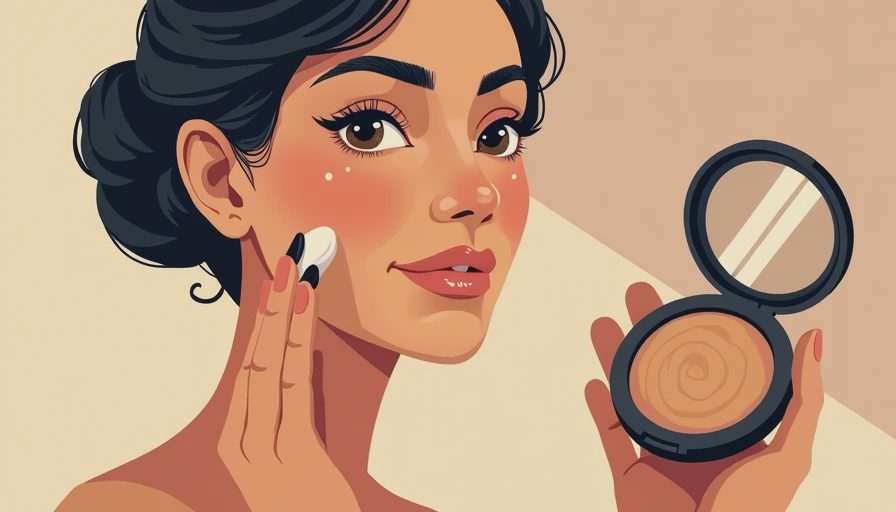
Test foundation along the jawline, not the hand. Your hands may be a different color from your face, while the jaw shows how the shade transitions toward the neck. Check the test in natural light and give it several minutes if the formula tends to oxidize. A shade that looks perfect immediately can become warmer or deeper after it dries.
If you are between shades, compare the two closest options in daylight. The better match is the one that disappears at the jaw rather than the one that looks prettiest on your wrist. Many brands offer sample sizes or generous return policies, so use those options before committing to a $40 or $70 bottle. Affordable choices from brands such as Maybelline, L'Oreal, and e.l.f. can be genuinely useful; a higher price does not guarantee a better match.
Ask what kind of foundation should i use if my face and neck are slightly different? Usually, match the neck and blend a small amount upward onto the jaw. If you wear self-tanner, keep a second shade or mix a deeper liquid into your usual color rather than forcing one shade to work year-round.
Application mistakes that change the result
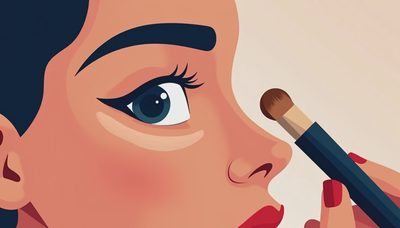
Start with clean, moisturized skin and let sunscreen settle before makeup. Use less product than your first instinct suggests. Place foundation at the center of the face, then blend outward so the perimeter stays sheer. Fingers provide warmth and speed, a brush gives more controlled coverage, and a damp sponge creates a diffused finish. None is universally correct.
Too much primer can cause pilling, especially when silicone-heavy skincare meets a water-based formula. If your makeup separates, simplify the layers and press each one in rather than rubbing. If it disappears by afternoon, use a light setting powder in oily areas or a setting spray after the rest of your makeup is complete. Avoid repeatedly adding foundation over shine; blot first, then touch up.
For mature or textured skin, flexible thin layers are especially kind. Heavy product can settle into lines and call attention to texture that was not bothering you before. You do not need to erase your face to make makeup successful.
A simple foundation decision you can repeat
When choosing what kind of foundation should i use, ask four practical questions. How does my skin feel by noon? Do I want sheer, medium, or full coverage? Will I be outside in heat, indoors under bright lights, or photographed? Do I prefer a dewy, natural, or matte finish? The answers narrow the enormous shelf down quickly.
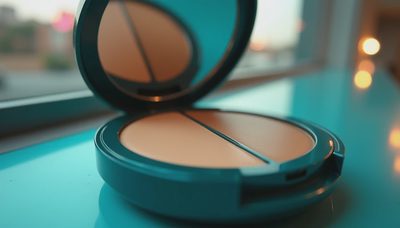
For everyday Seattle errands, I might choose a natural-finish medium foundation or skin tint, cream blush, brow gel, and lip color. For a destination wedding, I would test a longer-wearing formula, build coverage only where needed, and photograph it in several kinds of light before trusting it. For a weekend trip, a compact powder foundation can save space and make touch-ups simple.
There is no single correct bottle. Start with your skin, shop within your budget, and give yourself permission to change the finish with moisturizer, powder, or application technique. What kind of foundation should i use has a useful answer: the one that feels comfortable, matches your coloring, supports your routine, and lets you recognize yourself in the mirror. You are already beautiful.
No notes yet — write the first one.