A beauty products review should tell you more than whether a package looks pretty on a shelf. It should explain how the formula behaves at 7 a.m., after a long workday, and under the unforgiving camera on a train platform. I am Wren, a Seattle makeup artist, and I test products on my own skin and real faces before recommending them. My approach to beauty products review is simple: no panic, no pressure, and no assumption that a $50 product is automatically better than a $12 one. You are already beautiful; makeup is here to play with.
How I Test Beauty Products Before Recommending Them
My beauty products review process starts with a practical question: what is this product supposed to do? A sheer tint should not be judged like full-coverage foundation, and a soft pencil should not be criticized for failing to create a sharp graphic wing. I wear each item through ordinary conditions, including Seattle rain, dry airplane air, rushed mornings, and evenings when I have no interest in touching up.
I also test application methods. Foundation gets a brush, a damp sponge, and clean fingers. Cream blush gets placed over bare skin, sunscreen, and foundation because those layers can change the result completely. Mascara has to survive a full day without leaving flakes beneath the eyes. I pay attention to scent, packaging, shade range, transfer, removal, and whether the formula makes me work harder than the finished look is worth.
Price matters, too. A product can be excellent at $8, useful at $28, or not worth $60. I would rather show you that difference than announce a dramatic favorite after one quick swipe.
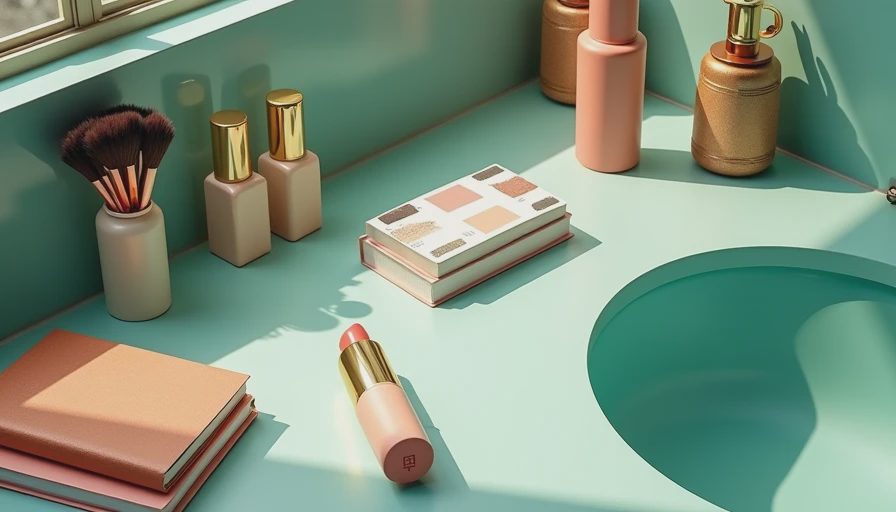
The Best Beauty Products Review Includes Technique
The product is only half the story. During one beauty products review, I can love a cream blush in the pan and dislike it on the face until I change the application. Warm a small amount between two fingers, tap it onto the high point of the cheek, then soften the edges with the leftover product on your brush. That usually creates a more believable flush than placing a large dot directly on the skin.
The same rule applies to concealer. Use less than you think, press it where you need coverage, and leave the surrounding skin alone. For a natural base, I like applying foundation from the center of the face outward, where redness often needs more attention. Powder only the areas that crease or become shiny. A thick layer everywhere can make even a beautiful formula look heavy.
When I write a beauty products review, I explain these small adjustments because they can turn a disappointing purchase into a workable one. They also help you decide whether you need a new product at all.
Budget Picks That Can Hold Their Own
Drugstore shelves are full of formulas worth trying, especially for mascara, lip color, brow gel, and simple blush. Maybelline Sky High Mascara, e.l.f. Putty Blush, Milani Color Statement Lipliner, and NYX Butter Gloss are familiar examples because they offer straightforward performance without asking for luxury prices. They are not identical to prestige products, and they do not need to be.
In a beauty products review, I look for where a budget item earns its place. A $9 brow gel that keeps hairs in position may be a smarter buy than a $30 version with a more elaborate tube. A $12 lipstick that needs one afternoon reapplication can still be a great everyday choice. The best value is not always the cheapest item; it is the one you reach for repeatedly.
For a polished budget routine, spend first on the category that changes your application most. If your base separates, prioritize skin preparation. If your eyes always look unfinished, try a reliable mascara or soft brown liner before collecting more palettes.
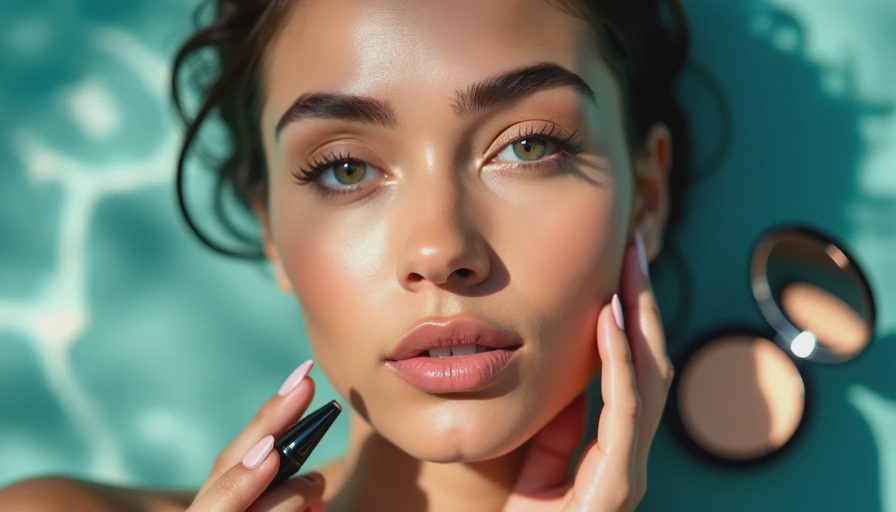
When a Higher Price Actually Makes Sense
A higher price can reflect better texture, more elegant packaging, unusual shades, or research into a specific finish. It does not guarantee that the product will suit your skin or your habits. My beauty products review of a prestige item asks whether the improvement is visible and useful, not whether the brand name feels exciting.
For example, a luxury cream shadow might save time because it blends evenly with one fingertip and wears through a long event. A high-end foundation may offer a shade match or finish that is difficult to find elsewhere. On the other hand, many lip balms, black eyeliners, and clear brow gels perform beautifully at drugstore prices. I would rather put the extra money toward a product that solves a real problem.
Try a sample when possible, especially for complexion products. Test the shade along the jaw, walk into daylight, and give it several hours. Indoor store lighting can make a match look perfect when it is not.
Reading Reviews Without Getting Talked Down To
A useful beauty products review should tell you the reviewer’s conditions. Was the product tested on dry skin, oily skin, mature skin, or a combination? Was it worn for ten minutes or an entire day? Was the reviewer trying to create a quick office face, a wedding look, or a dramatic editorial eye? Context turns a strong opinion into useful information.
I also look for specific language. “Long-wearing” is less helpful than “still even around the nose after eight hours.” “Hydrating” becomes clearer when someone explains whether the product reduced tightness or simply felt slippery. In my beauty products review, I try to describe what I saw, felt, and changed during application so you can imagine the experience on your own face.
Remember that a mismatch is not a personal failure. A matte foundation may be wonderful for one person and uncomfortable for another. Beauty is not a test you pass by buying the right things.
Build a Smaller, Better Makeup Bag
The most useful beauty products review should help you buy less blindly. Start by checking what you already own. You may have three similar pink blushes, two almost-identical neutral palettes, and a lipstick you forgot because it needs a liner underneath. Use those products in a new combination before shopping again.
A compact everyday kit might include a comfortable base or concealer, one cream blush, brow gel, mascara, a lip color, and a small brush or sponge. Add one playful item, such as a colored liner or shimmer shadow, if that makes you excited to get ready. A face, a hairstyle, and an outfit are one thing, not three, so consider the whole look. A glossy lip with a vintage cardigan may need a different eye than a sleek bun and a black jacket.
My final beauty products review is this: buy for your real mornings, not an imaginary version of yourself with unlimited time. Look for formulas that feel good, techniques you can repeat, and colors that make you want to use them. Let me just show you what works, what needs patience, and what you can happily skip. You were already beautiful.
No notes yet — write the first one.