Shopping for the best eyeshadow palette for beginners can feel like being handed a paint box with no instructions. Twelve nearly identical browns, one glitter shade that seems designed for a nightclub, and a black so intense it could frighten a makeup artist. Let me just show you what actually matters: useful colors, a forgiving formula, and a palette that helps you practice instead of making every morning feel like an exam. You're already beautiful; makeup is simply another way to play with your face.
What makes a beginner-friendly palette
The best eyeshadow palette for beginners usually has between four and 12 shades, not 30. A smaller range makes it easier to understand what each color does. Look for one light shade, two or three medium transition shades, a deeper brown for definition, and one shimmer you genuinely want to wear. Matte and satin finishes are the easiest place to begin because they blend predictably. Glitter can be fun, but chunky particles often emphasize texture and require a separate glitter primer.
A good palette should also have clear contrast. If every shade is a pale beige, you will struggle to see where one color ends and another begins. If every shade is deep, you may spend more time trying to soften the look than enjoying it. Neutral palettes are popular for a reason: taupe, caramel, soft brown, and bronze work with jeans, a vintage dress, or a simple travel wardrobe.
Pay attention to the pan layout, too. I prefer palettes where the colors tell a visual story, such as a light base beside a medium crease shade and a deeper outer-corner color. That arrangement quietly teaches you how to use them.
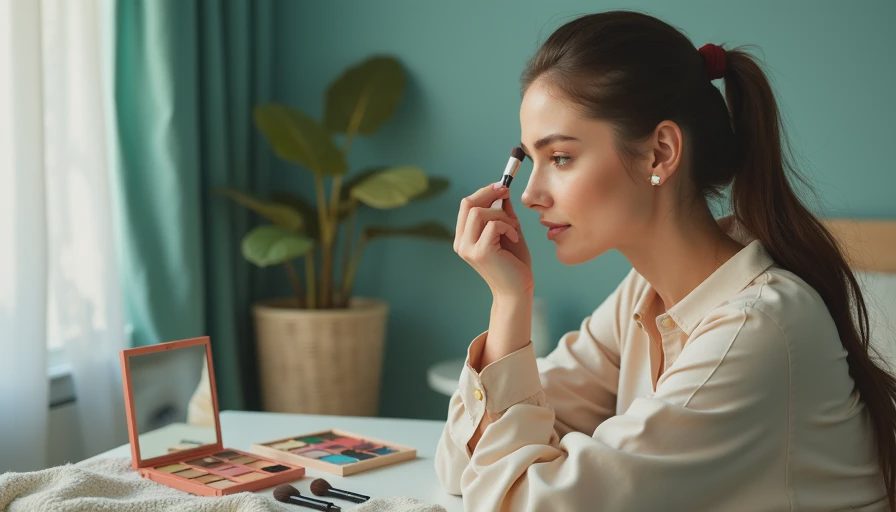
My favorite palette types by budget
For a wallet-friendly starting point, e.l.f. Bite-Size Eyeshadow palettes are easy to understand and usually cost around $4. Their four-pan layouts remove much of the guesswork, and a quad in Cream and Sugar or Pumpkin Pie gives you enough range for an everyday look. The pans are small, but that is not a disadvantage when you are learning; you get to test a color before committing to a large palette.
If you want more variety, the best eyeshadow palette for beginners at a midrange price is often a 9- or 10-pan neutral palette. ColourPop’s Nude Mood and Going Coconuts palettes are approachable options with matte and shimmer choices. They are especially useful if you want to try warm bronze looks and softer taupes without paying luxury prices. NYX also makes practical neutral palettes that are easy to find at drugstores and beauty retailers.
At a higher price point, Tarte’s Tartelette In Bloom palette is a dependable teaching palette because the colors are coordinated rather than random. Urban Decay’s Naked3 is another recognizable choice, although its rosy tones are more specific. Higher price does not automatically mean better, so buy the color family you will actually wear instead of paying for a famous logo.
Choose shades for your real life
The best eyeshadow palette for beginners should match your schedule. If you work in an office, attend classes, or want a quick coffee-run look, choose soft browns, taupes, champagne, and muted rose. These shades are easier to blend and less likely to look dramatic when you accidentally pick up too much product.
For a travel makeup bag, a compact palette with a mirror and a mix of matte and shimmer is practical. Bronze and peach can take you from a Seattle morning to a dinner reservation with one extra layer. If your wardrobe is mostly black, denim, cream, or red, neutral eyeshadow will connect everything without competing with your clothes. Remember that a face, a hairstyle, and an outfit are one thing, not three. A simple eye can be exactly right with a bold vintage jacket or a glossy red lip.
Your undertone can guide the choice, but it does not have to control it. Cool taupe can look beautiful on warm skin, and copper can be striking on cool skin. Swatch a shade near a window, then wear it for a few hours. A color that looks lovely in a store mirror may turn orange, gray, or overly glittery in daylight.
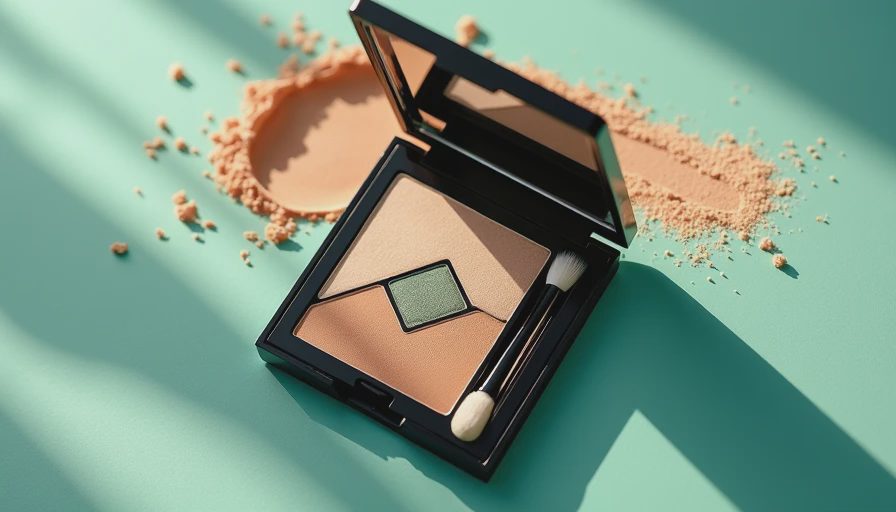
A simple three-shadow method
When I teach a new client to use the best eyeshadow palette for beginners, I start with three shades. First, sweep the lightest matte or satin color across the lid and slightly into the inner corner. Use a fluffy brush and a small amount of product; you can always add more.
Next, place the medium shade into the crease. Look straight ahead and apply just above the natural fold so the color remains visible when your eyes are open. Use small windshield-wiper motions, then soften the edges with a clean brush. Do not drag the color all the way to your brow. Leaving a little space keeps the look fresh.
Finally, tap the deepest shade along the upper lash line and into the outer corner. This creates definition without requiring liquid eyeliner. For shimmer, press a tiny amount onto the center of the lid with your fingertip. Pressing works better than sweeping because it reduces fallout and gives the color more impact.
If one eye looks darker, do not panic. Match the lighter eye by adding small amounts rather than trying to erase everything. Makeup is a series of tiny adjustments, not a pass-or-fail test.
Brushes, primer, and common mistakes
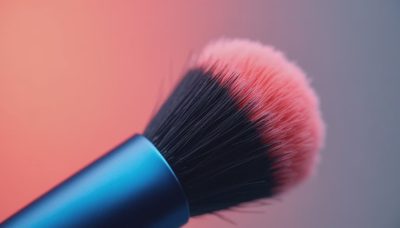
You do not need a 20-piece brush set. Start with a flat shader brush, a fluffy blending brush, and a small angled brush. A clean fingertip is excellent for shimmer. Wash brushes about once a week with gentle soap or brush cleanser, and let them dry flat or with the bristles facing downward.
Eye primer can improve longevity, especially if your lids crease or feel oily. Apply a thin layer and let it settle before adding shadow. Concealer can work in a pinch, but a thick, creamy layer sometimes causes shadows to crease faster. On dry lids, skip heavy powder underneath and use a satin formula instead.
The most common beginner mistake is using too much product at once. Tap off excess, build color gradually, and blend only the edges. Another mistake is placing dark shadow too far inward, which can make the eyes look smaller. Keep the deepest color near the lashes and outer corner until you are comfortable.
How to buy without regretting it
Before choosing the best eyeshadow palette for beginners, check the actual shades rather than relying on a styled promotional photo. Look for daylight swatches, close-up pan images, and reviews that discuss fallout, blendability, and wear time. Reviews are most helpful when several people describe the same issue, such as a shimmer becoming patchy or a matte shade requiring repeated layers.
Think about cost per use. A $12 palette you use four times a week is a better purchase than a $60 palette that sits untouched because its colors feel intimidating. Also consider expiration and hygiene: do not share eye makeup, replace products that smell or perform differently, and avoid using a palette when you have an eye infection.
If you are still unsure, start with four shades: light matte, medium matte, deep matte, and one shimmer. That is enough for a polished daytime look, a smoky evening variation, and weeks of practice. The best eyeshadow palette for beginners is not the one dominating social media. It is the one you can open on a rushed morning and understand immediately.
Your first practice routine
Set aside ten minutes when you are not late. Apply the light shade, medium crease shade, and deep lash-line shade in that order. Take a photo in natural light, not to criticize yourself, but to see whether the colors are balanced. If the crease disappears, place it slightly higher. If the outer corner looks heavy, soften it with the clean blending brush.
Try the same palette with a different outfit and lip color. A brown eye with a peach lip reads relaxed; the same eye with berry lipstick feels more polished. That small experiment teaches you more than collecting another palette. Start where you are, use what fits your budget, and let the technique become familiar through repetition. You're already beautiful, and the right palette should make makeup feel more like discovery than correction.


No notes yet — write the first one.