When someone asks me for the best contour brush, they are usually not asking for sharper cheekbones or a completely different face. They want makeup that looks softly placed, blends without a wrestling match, and still resembles skin in daylight. After working on more than 3,000 faces, I have learned that the right brush matters, but the shape of the bristles and the pressure in your hand matter even more. You are already beautiful; contour is simply a little architecture for a look you already enjoy.
What makes a contour brush genuinely useful
The best contour brush should pick up enough product to create a visible shadow without dumping a dark stripe onto your cheek. Look for bristles that feel dense but flexible, with a slightly tapered or angled edge. If the brush is stiff enough to scratch your skin or spread powder in one hard line, it will be difficult to use, especially with cool-toned contour shades.
Size matters, too. A brush about three-quarters of an inch wide is versatile for cheeks, temples, and the jawline. A smaller brush gives you more control around the sides of the nose, while a larger angled brush can make a cream contour look sheer and polished. Synthetic bristles are usually the easiest choice for cream and liquid formulas because they do not absorb as much product and clean quickly with soap or brush cleanser.
My practical test is simple: press the brush against the back of your hand. It should bend slightly, then spring back. Run the edge along your skin. The best contour brush feels soft at the tips, not floppy at the base, and has no stray hairs poking out.
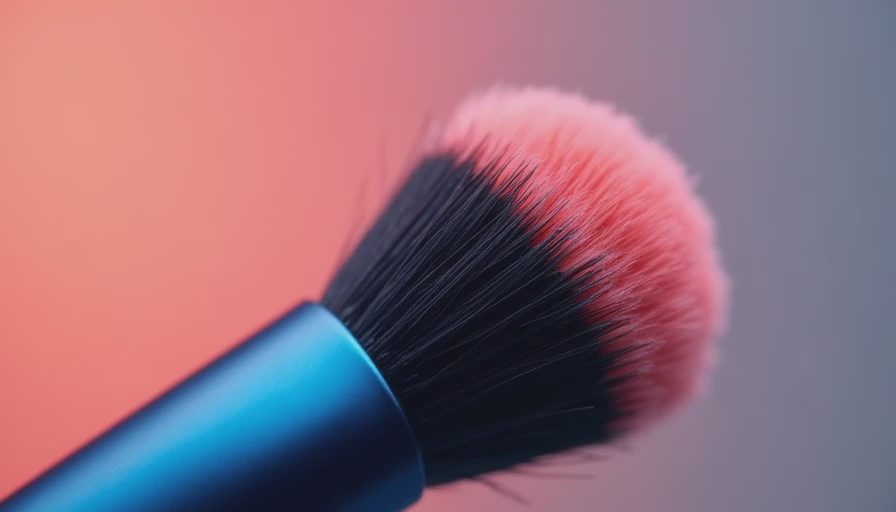
My favorite options by budget
For an affordable everyday choice, the e.l.f. Angled Contour Brush is a smart place to start. It has enough shape for cheek placement and costs much less than professional brushes, making it useful for beginners who are still learning pressure. Real Techniques also makes dependable face brushes with soft synthetic fibers; its sculpting styles work well when you prefer a diffused finish rather than a sharply carved effect.
In the midrange, the best contour brush for many makeup bags is one with a medium angle and a slightly rounded top, such as a Morphe or Sigma face brush in that general shape. I am less interested in the exact label than in whether the brush keeps its form after washing. A good midrange option often lands around $18 to $35 and can handle powder bronzer, contour, and some cream products.
For a splurge, look at brands such as Sephora Collection Pro, IT Cosmetics, or Sephora’s higher-end professional brush lines. These often have balanced handles and very soft fibers, which is lovely when you do your makeup quickly before work or in a hotel bathroom. Expensive does not automatically mean better. I have used a $12 brush on an editorial kit and a $40 brush that stayed in the drawer because the shape did not suit my hand.
Choose the shape for your technique
A flat angled brush deposits color precisely beneath the cheekbone. It is useful if you like a more defined evening look, but use the narrow edge only for the first placement. Turn the brush sideways and blend with the fuller surface so the contour fades gradually into your foundation.
A round, fluffy brush is more forgiving. It spreads powder in a veil, which makes it my favorite style for beginners, dry skin, and soft daytime makeup. The best contour brush for this approach has a rounded tip rather than a sharp point. You can build color in thin layers and stop before the face looks muddy.
A small pencil-shaped brush works around the nose, cupid’s bow, and eye socket, but it is easy to overdo those areas. I usually place the smallest amount of product near the bridge, then soften it with a clean blending brush. You do not need a separate brush for every feature. One medium brush and one clean fluffy brush can create an entire look.
How to use a contour brush without harsh lines
Start with less product than you think you need. Tap powder once into the pan, then tap the brush against your wrist or the edge of the compact. With cream contour, place a tiny dot on the back of your hand and pick it up from there. This extra step prevents a concentrated patch from landing near the ear.
For cheeks, find the natural hollow by making a relaxed fish face, then release it. Place color just above that hollow, beginning near the ear and moving inward only as far as the outer edge of the eye. Use short upward strokes, not a long stripe. The best contour brush will let you blur the lower edge while leaving the upper edge softly connected to blush or bronzer.
Next, sweep whatever remains on the brush along the temples and lightly under the jaw if you want the tones of the face and neck to feel connected. Step back from the mirror. If you can see the contour before you notice the whole makeup look, blend with a clean brush. A little unevenness is normal; makeup is applied by a human hand, not a printer.
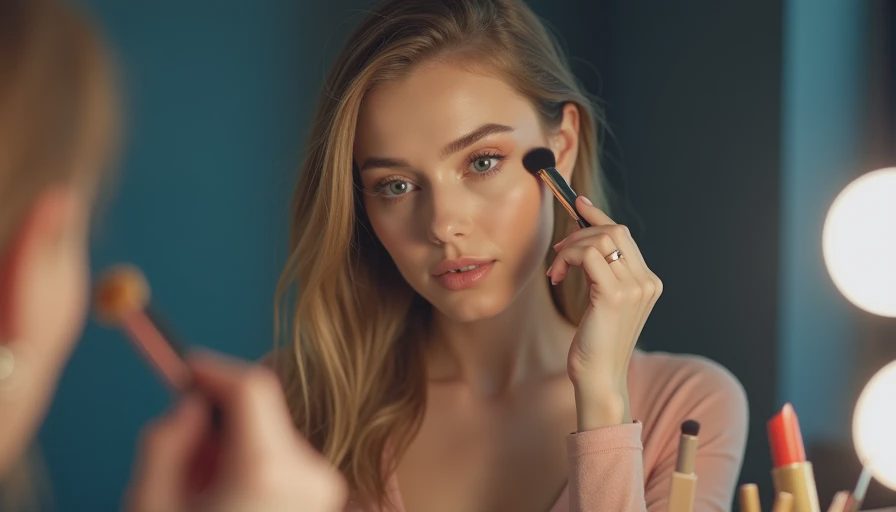
Powder, cream, and the brush-cleaning question
Powder contour is the easiest formula for a fluffy brush. It gives you time to build, soften, and correct with translucent powder. Cream contour usually needs a denser synthetic brush, followed by a damp sponge if the edges still look too visible. Liquid products can work with a brush as well, but use tiny amounts because liquid pigment travels quickly across a set base.
Clean your contour brush at least once a week if you use it regularly, and more often when applying cream makeup. Wet the bristles with lukewarm water, keep the handle angled upward, and massage in a small amount of gentle soap or brush cleanser. Rinse until the water runs clear, squeeze with a towel, and dry it flat with the bristles extending slightly beyond the counter edge. Do not soak the ferrule, the metal section holding the bristles, because water can loosen the glue.
A clean brush also improves your color. Product buildup makes bristles stiff and transfers yesterday’s bronzer into today’s contour, which is one reason a shade can look unexpectedly orange or gray.
The simple shopping decision
If you wear powder and want a natural result, choose a medium, rounded, fluffy brush. If you love cream products or photograph your makeup, choose a medium angled synthetic brush that can press and blend. If you travel often, pick a shorter handle with a protective case; a beautiful full-size brush is not helpful when it gets crushed in a makeup pouch between Seattle and your next destination.
The best contour brush is the one you can control without gripping it tightly. Hold it near the end of the handle for lighter pressure, and move closer only when you need precision. Give yourself a week of practice before deciding that contour is not for you. Try the technique with a neutral shade, warm it with blush, and look at the finished face in window light as well as a bathroom mirror.
My final pick for most people is a medium, softly angled synthetic brush in the $12 to $30 range. It covers powder and cream, travels well, and teaches you more than an overly specialized tool. Still, the best contour brush will always be personal: your hand, face, formula, and preferred finish all change the answer. Choose the tool that makes you curious instead of critical. You were already beautiful, and the brush is only there to help you play.


No notes yet — write the first one.