Finding the best setting spray for oily skin is less about locating the most expensive bottle and more about matching the formula to your makeup, climate, and actual day. After years of working on wedding faces and wearing products through Seattle rain, humid destination shoots, and long flights, I have learned that shine control starts before the spray touches your face. You are already beautiful; this is simply about helping your makeup stay where you put it.
What oily skin really needs from a setting spray
Oily skin usually benefits from a lightweight, film-forming spray that helps makeup resist movement without leaving a thick, stiff layer. Look for words such as matte, oil control, long wear, transfer resistant, or humidity resistant. These claims do not mean the product will stop your skin from producing oil. They mean the formula can help foundation, concealer, and powder wear more evenly as natural shine appears.
The best setting spray for oily skin should also dry quickly. A sticky finish can make foundation feel heavy and encourage powder to clump around the nose, chin, or smile lines. Ingredients vary, but alcohol is common in fast-drying formulas, while polymers help create the flexible film that holds makeup in place. If your skin is easily irritated, fragrance-free options and a patch test are sensible choices.
My favorite finish is controlled, not completely flat. A little life in the skin looks better in daylight and in photographs than a chalky, one-dimensional matte surface. If you want extra shine control, use the spray with a thin layer of loose powder rather than asking one product to do everything.
My favorite picks by budget
For a drugstore starting point, Milani Make It Last Matte is worth a look. It is easy to find, usually costs around $10 to $14, and gives makeup a more set, less freshly-powdered appearance. It works especially well for everyday foundation when you want reasonable wear without building a complicated routine. Apply it in light layers; soaking the face rarely improves the result.
At the mid-range level, MAC Fix+ Stay Over is a useful option for people who want hold without an aggressively dry finish. MAC describes it as alcohol-free, and I like it when a matte base needs a little flexibility. It is often priced near $35, so I would choose it for workdays, events, or makeup you want to photograph rather than automatically using it for every grocery run.
For stronger oil and humidity control, One/Size On 'Til Dawn Mattifying Waterproof Setting Spray is a popular choice. It tends to create a more locked-in finish and is particularly helpful for outdoor events, warm travel days, and long evenings. Because it has more grip, mist lightly and let each layer dry before adding more. A bottle in the $32 range can last longer when you reserve it for occasions that need serious staying power.
How to apply setting spray without ruining your base
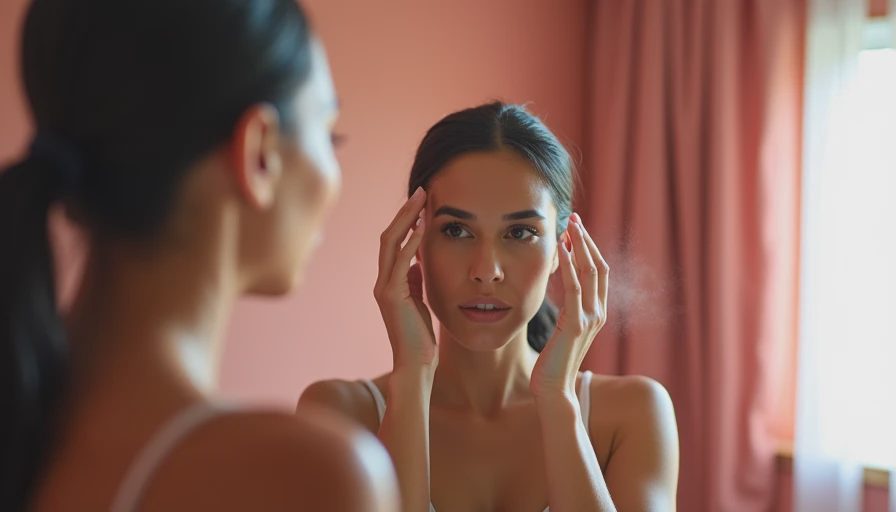
Start with skincare that has absorbed. If moisturizer or sunscreen still feels wet, spray can make the surface patchy. Apply foundation and concealer in thin layers, then press a small amount of powder only where you become shiny first. Usually that means the sides of the nose, center forehead, upper lip, and chin rather than every inch of the face.
Hold the bottle about eight to ten inches away. Make an X across the face, then a T, or use several small passes instead of one large blast. Keep your eyes closed and avoid inhaling the mist. Let the spray air-dry for at least thirty seconds. Do not immediately rub, fan aggressively, or press a sponge over it while wet, because that can lift coverage.
For particularly oily areas, try a two-stage method. Mist once after cream products, allow it to dry, then lightly powder and finish with another fine layer. This gives the film something to grip while keeping the top layer thinner. The best setting spray for oily skin cannot rescue a thick, unsettled base, but this technique can make a noticeable difference.
Setting spray versus powder for shine
Powder absorbs surface oil; setting spray helps bind layers together and improve wear. Most oily-skin routines work best with both, used sparingly. If you apply a heavy powder layer and then drench it with spray, the finish may become cakey as the products mix. Instead, use a small fluffy brush or puff to press powder into the areas that need it, then mist from a distance.
Blotting papers are useful later in the day. Press one against the forehead or nose rather than wiping, which can move foundation. If shine returns after four hours, blot first and add a tiny amount of powder only if necessary. Repeatedly spraying over visible oil can create a slippery surface, especially around the nose.
The best setting spray for oily skin is not necessarily the one with the strongest matte claim. If your cheeks feel tight while your T-zone shines, a balanced formula may look more natural than an ultra-matte product. Makeup should still resemble skin when you turn your head in a window or step outside.
Choosing the right formula for your day
For a normal office day, Milani or a similar drugstore matte spray may be enough. For a summer wedding, concert, or travel day involving heat and humidity, choose a more durable formula and keep blotting papers in your bag. For photography, avoid applying a thick, wet layer right before the camera comes out. Give the product time to settle, then check your face in natural light.
If you wear tinted moisturizer, you may prefer a flexible setting spray because there is less pigment to anchor. Full-coverage foundation benefits from careful powder placement and a spray that softens the powdered look. Cream blush and bronzer should be applied before the final setting step, while powder highlighter is best used with a light hand if you are already managing shine.
Travel size matters, too. A small bottle is convenient for a carry-on, but check the container size before flying and place it in your liquids bag. I decant only when the manufacturer provides a suitable container; otherwise, the original bottle is less likely to leak or change the formula.
Common mistakes that shorten makeup wear
The first mistake is spraying too close. A concentrated wet spot can dissolve foundation and leave a visible patch. The second is using setting spray as a substitute for primer. A pore-blurring or oil-control primer can create a more stable base, while the spray finishes the layers on top. The third is choosing a dewy product because it looks beautiful in a store, then expecting it to control midday shine.
Another mistake is judging a formula after five minutes. Test it for a full workday, including a meal, a commute, and a few hours of normal movement. Notice whether it fades evenly or breaks apart around the mouth. The best setting spray for oily skin should leave you looking like yourself later, not like you are wearing a rigid mask.
Clean the nozzle if mist starts coming out in droplets. A clogged sprayer creates uneven coverage and wastes product. Store the bottle away from direct heat, and replace it if the smell, texture, or spray pattern changes.
My simple oily-skin routine
I begin with a light moisturizer and sunscreen, wait for them to settle, then apply thin foundation where I want coverage. I conceal only the areas that need it, add cream color, and set the center of the face with a small amount of powder. Then I mist once, wait, and inspect the finish in daylight. If an event will run late, I add a second delicate spray after the powder rather than flooding the skin at the beginning.
That routine keeps the finish comfortable and makes touch-ups easy. Choose Milani for an affordable everyday experiment, MAC when you want a softer set, or One/Size when endurance is the priority. The best setting spray for oily skin is the one that supports your routine, not one that forces you to pile on product. You're already beautiful; a little strategy simply lets your makeup keep up with your day.


No notes yet — write the first one.