The best sheer foundation should make your skin look like skin, only a little more even and rested. After working on more than 3,000 faces, I have learned that most people are not looking for a mask. They want redness softened, a little tone balanced, and freckles left visible. That is the charm of the best sheer foundation: it supports your face instead of taking it over. You are already beautiful, and makeup is here to help you play.
What sheer foundation actually does
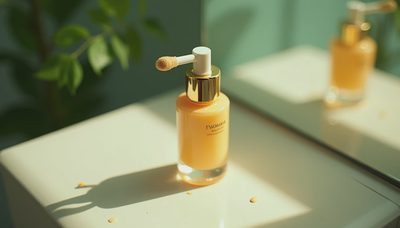
Sheer foundation is a lightweight complexion product with less pigment than medium or full-coverage formulas. It usually blurs mild redness and uneven tone without completely hiding freckles, beauty marks, or natural texture. Some formulas are liquid and serum-like, while others come as a skin tint, tinted moisturizer, or compact balm.
The best sheer foundation is not necessarily the thinnest formula on the shelf. A watery product that disappears in ten minutes is not useful if you need your makeup to last through a commute, a wedding, or a humid afternoon. Look for a formula that spreads easily, sets comfortably, and can be layered around the nose or chin without turning patchy.
Finish matters, too. A radiant formula gives dry skin a soft, fresh glow, while a natural or satin finish tends to work beautifully on combination skin. Oily skin can wear sheer makeup successfully; choose a formula that dries down rather than staying slick, then powder only the center of the face. Heavy powder everywhere is the fastest way to lose the pretty, lived-in effect.

My favorite sheer foundation picks by budget
For a budget-friendly option, I often reach for L'Oreal True Match Nude Hyaluronic Tinted Serum. It feels light, gives a softly luminous finish, and comes in a useful range of shades for a drugstore product. The coverage is intentionally modest, so it is best for someone who wants an even wash of color rather than a corrected, perfected base. Apply it with fingers for the most natural result.
The best sheer foundation in the midrange category is often Saie Slip Tint, especially if you like a dewy finish and a little skincare-like comfort. It has more presence than a barely-there tint, but it still lets your real features show. I like it for casual photos, travel days, and outfits with a relaxed vintage shape. Because it can look luminous, tap a small amount of translucent powder over the sides of the nose if you get shiny there.
For a higher-end choice, Chanel Les Beiges Water-Fresh Complexion Tint creates an especially delicate veil. It is lovely when you want your makeup to look almost invisible in daylight. The coverage is very light, so I pair it with a pinpoint concealer rather than adding several layers. The best sheer foundation should not force you to use more product than you need.
Glossier Perfecting Skin Tint remains a good pick for people who dislike the feeling of foundation. It gives minimal coverage and a skin-like finish, making it a strong choice for already-even complexions. If you need redness coverage, it works better as a base with concealer than as a one-product solution.
How to choose for your skin type
Dry skin usually looks happiest with a hydrating, radiant formula. Start with moisturizer and allow it to settle for several minutes before applying complexion makeup. If your skin still feels tight, mix one drop of facial oil into the foundation on the back of your hand, but do not add oil to the bottle. That can change the formula and shorten its useful life.
For oily skin, search for words such as natural finish, soft matte, or oil-free. These descriptions do not guarantee perfect wear, but they point you toward a less slippery texture. Use a small amount of the best sheer foundation across the forehead, cheeks, and chin, then press—not swipe—a little powder where makeup tends to move.
Combination skin benefits from a flexible routine. Use a hydrating primer on the cheeks and skip it on the nose if that area becomes shiny. You can also use two finishes: a radiant sheer base around the outer face and a natural-finish product through the center. There is no makeup rule saying your entire face must behave the same way.
Sensitive skin calls for a short ingredient list and a patch test before a full-face application. Fragrance can bother some people, so read the label rather than trusting marketing language. A sheer formula is not automatically gentler, but using less product can make your routine feel more comfortable.
How to apply it without losing the sheer effect
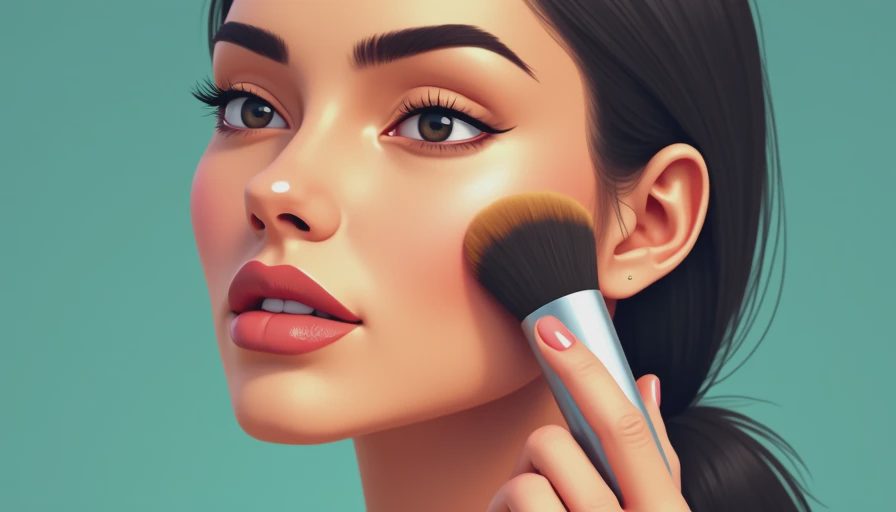
First, prep your skin and let sunscreen dry down. Put half a pump, or about a pea-sized amount, on the back of your hand. Dot it across the forehead, cheeks, nose, and chin. Then press it in with clean fingers, beginning where you want the most evening out. Body heat helps many liquid formulas melt into the skin.
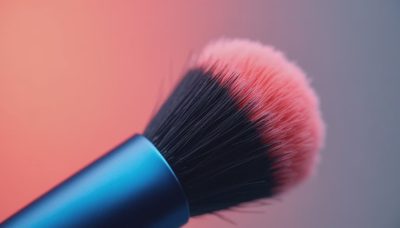
A damp sponge gives the best sheer foundation an even, softly diffused finish, but it can also absorb product. Use a pressing motion rather than rubbing. A dense brush gives slightly more coverage and is useful around the nose, jawline, or any area with visible redness. My favorite real-life method is fingers first, followed by a small brush only where extra blending is needed.
Wait two minutes before deciding whether you need more. Many formulas settle as they warm up. If you add coverage immediately, you can accidentally create the heavy base you were trying to avoid. Layer a tiny amount only on the center of the face, then leave the cheeks and temples alone.
Making sheer makeup last all day
Longevity starts with thin layers. Skincare, sunscreen, primer, foundation, concealer, and powder should all be used sparingly. Too much slip underneath causes even the best sheer foundation to separate around the nose. Blotting papers are more useful than adding powder every few hours because they remove oil without building texture.
For a long event, set the center of the face with a small fluffy brush and a finely milled powder. Keep powder away from the high points of the cheeks if you want a fresh finish. A setting spray can help powders and creams look more connected, but it cannot turn a very dewy tint into transfer-proof makeup.
When traveling, pour a small amount into a clean, labeled cosmetic container rather than carrying a full glass bottle. Pack a mini sponge, cotton swabs, and your concealer; those three tools let you repair most everyday wear. In bright hotel lighting, check your jawline near a window before leaving.
The shade test that saves a disappointing purchase
Test shades along the jaw and slightly onto the neck, not on the hand. Let the product sit for ten minutes because some formulas deepen as they dry. Check the color in daylight and take one phone photo without a beauty filter. Sheer products are forgiving, but a strong orange or pink cast will still show.
If you are between shades, the lighter option can work when the formula is sheer and your bronzer matches your undertone. Do not use bronzer to correct a foundation that is dramatically wrong. For online shopping, compare the brand's shade descriptions, swatches in natural light, and return policy before ordering multiple bottles.
The best sheer foundation is the one you will actually enjoy wearing: comfortable, believable, and easy to touch up. Start with a small layer, keep your real skin visible, and let your hair and outfit join the conversation. A face, a hairstyle, and an outfit are one thing, not three. You were already beautiful; this is simply the soft-focus frame around it.
No notes yet — write the first one.