Do I put foundation on before concealer? In most makeup routines, yes. Starting with foundation creates an even base, so you can see exactly where you still want extra coverage instead of applying concealer everywhere by default. I have used this order on more than 3,000 faces, from quick Seattle mornings to destination wedding days, and it saves product while keeping skin looking like skin. You are already beautiful; makeup is simply a way to play with your features and mood.
Do I Put Foundation on Before Concealer?
The short answer is foundation first, concealer second. Foundation is designed to even out overall color and texture across the face. Concealer is usually more concentrated, so it works best as a targeted second layer for under-eye shadows, redness around the nose, a blemish, or a small area of discoloration.
When you apply concealer first, foundation can move it around as you blend. That does not make the technique wrong, but it can erase the careful placement you just created. Applying foundation first lets you use less concealer and keeps the finish lighter. This is especially helpful with full-coverage products, which can become thick when several layers overlap.
There is no makeup police waiting behind your bathroom door, though. If you prefer concealing dark circles before foundation, you can absolutely do that. The important part is understanding why the order changes and choosing a formula that can handle it.

Why Foundation Usually Comes First
Think of foundation as the soft wash of color in a painting and concealer as the smaller brush. You would not use the small brush to cover the entire canvas. A thin layer of foundation can reduce redness, soften uneven tone, and make the rest of your makeup look more connected.
This order also helps with color matching. Once foundation is blended over the cheeks, jaw, and around the nose, you can tell whether you actually need a brighter concealer. Many people discover that what looked like a major spot before foundation only needs a pinpoint dab afterward.
For dry skin, press foundation on with a damp sponge or use your fingers to warm a skin tint before applying. For oily skin, a medium-coverage liquid foundation and a small amount of loose powder around the center of the face can create a more stable base. A drugstore option can work beautifully; Maybelline Fit Me, L'Oreal True Match, and e.l.f. Halo Glow all offer different levels of coverage and finish. The right application matters more than the price tag.
When Concealer Before Foundation Makes Sense
There are a few good reasons to reverse the usual order. If you are using a strong color corrector, apply a tiny amount before foundation so the foundation can soften its brightness. Peach, salmon, or orange correctors are often used for blue or purple-looking under-eye shadows, while green can visually reduce the appearance of surface redness. The goal is a whisper of color, not an opaque patch.
Concealer before foundation can also work for a very natural makeup look. Place a small amount only where you need it, then tap skin tint around it rather than directly scrubbing over it. This preserves targeted coverage without making the whole face look made up.
For a single blemish, I usually prefer foundation first and spot concealer afterward. For under-eyes, either order can work. If the area is dry or creased, use a thin layer and let it settle briefly before tapping away excess. Thick product is what tends to crease, not the existence of concealer itself.
Do I Put Foundation on Before Concealer? My Step-by-Step Routine
Start with clean, moisturized skin. Give moisturizer a few minutes to settle, then apply sunscreen in the daytime. If you use primer, press it only where it helps, such as around the nose or across an oily forehead. Primer is optional; comfortable skin preparation is not.
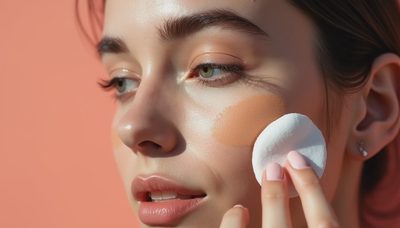
Apply foundation from the center of the face outward. I usually begin beside the nose, then blend toward the cheeks, hairline, and jaw with a brush, sponge, or clean fingertips. Use less than you think you need. Add another thin layer only where the first layer did not even things out. This creates a more believable finish than starting with a heavy coat.
Now add concealer. Use a small flat brush or your ring finger under the eyes, placing most of the product near the inner corner and darkest area. For blemishes, use a tiny pointed brush and press rather than swipe. Let the product sit for about 20 to 30 seconds, then tap the edges into the surrounding foundation. Keep the center of a blemish covered while diffusing only the border.
Set strategically. A little finely milled powder under the eyes and beside the nose is often enough. If you powder the entire face heavily, you can lose the fresh finish you worked to create. A mist such as Urban Decay All Nighter or a budget setting spray can help layers look less powdery, but it cannot replace good blending.

Match Your Products for Better Blending
Foundation and concealer do not need to come from the same brand, but their textures should cooperate. A watery skin tint can separate under a thick, fast-drying concealer. Likewise, a matte foundation may make a creamy concealer look patchy over dry areas. Test a small combination along your jaw or cheek before committing to a full face.
For everyday coverage, choose concealer close to your foundation shade for spots and only slightly brighter for the under-eye area. A dramatically lighter shade can emphasize texture and look gray in photos. NARS Radiant Creamy Concealer, Kosas Revealer, and NYX Bare With Me are popular examples across different price points, but no formula is universally best. Your skin's comfort, finish preference, and application method matter more.
If you are shopping on a budget, spend time comparing undertones rather than chasing a luxury label. A $10 concealer in the right neutral, warm, or cool match will usually look better than a $30 formula in the wrong shade.
Common Problems and Easy Fixes
If your concealer disappears, you may be blending too far over the area or using foundation with enough coverage already. Try placing less product and keeping it closer to the shadow or spot. If everything looks cakey, remove excess with a clean damp sponge, then press a tiny amount of moisturizer over dry patches before reapplying.
If under-eye concealer creases, look up and gently tap the fold smooth before setting it. Do not pile on powder; a thin veil is enough. If foundation separates around your nose, skincare residue or excess oil may be the cause. Blot first, then use a small amount of foundation only on the area that needs it.
So, do I put foundation on before concealer? Usually, yes: foundation first, targeted concealer second, and powder only where it serves a purpose. Reverse the order for color correction or an ultra-light base when that suits your face better. Let me just show you the technique in a way that feels useful, not strict. You are already beautiful, and your makeup should feel like yours.

No notes yet — write the first one.