If you have ever stood in a makeup aisle wondering, is concealer and foundation the same, you are absolutely not alone. The short answer is no, but the two products are close cousins. Foundation is designed to even out the overall tone of your face, while concealer is usually thicker and more targeted. You can use either one alone, or layer them when you want a little more coverage. Neither product is meant to change who you are. You are already beautiful; makeup is simply a way to play with the light, color, and mood of your face.
What foundation actually does
Foundation is the base product that spreads across a larger area. It comes in liquid, cream, powder, stick, and tint formulas, with finishes ranging from dewy to soft matte. Its job is to make your complexion look more even without necessarily covering every freckle, blemish, or bit of redness. Think of it as adjusting the overall volume of a photograph rather than removing every detail.
A sheer skin tint might be enough for a morning coffee run, while a medium-coverage liquid can soften sun spots or uneven redness for a wedding or photograph. Full-coverage foundation exists, but more coverage is not automatically better. Too much product can emphasize texture, especially around the nose and mouth.
Choose a shade by comparing it with your jawline, not the back of your hand. Let it sit for a few minutes because some formulas deepen slightly as they dry. If your face and neck look like two different outfits, the shade or application needs adjusting. I usually start with half a pump, press it into the center of the face, and blend outward with fingers, a damp sponge, or a clean brush.
What concealer is for
Concealer is made for smaller, more specific areas. It can brighten under the eyes, cover a fresh blemish, neutralize a red patch, or add a little extra coverage where foundation was not enough. Because it is often more pigmented than foundation, a tiny amount can do a surprising amount of work.
Under-eye concealer and blemish concealer do not always need the same formula. For the under-eye area, look for something flexible and hydrating so it moves with your expressions. For a blemish, a slightly denser formula with a natural or matte finish can stay put longer. This is why a concealer that looks beautiful under your eyes may slide off a spot, while a spot concealer can look dry when used in a wide triangle beneath the eyes.
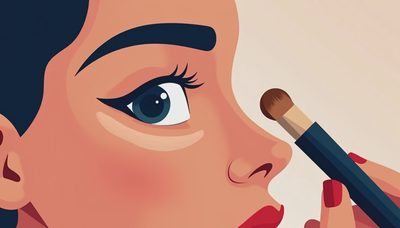
When applying concealer, place it exactly where you want coverage instead of painting a large shape across your face. Give it thirty seconds to settle, then tap the edges until they disappear. A small fluffy brush is useful under the eyes; a clean fingertip often works beautifully on a blemish because the warmth helps the product melt into the skin.
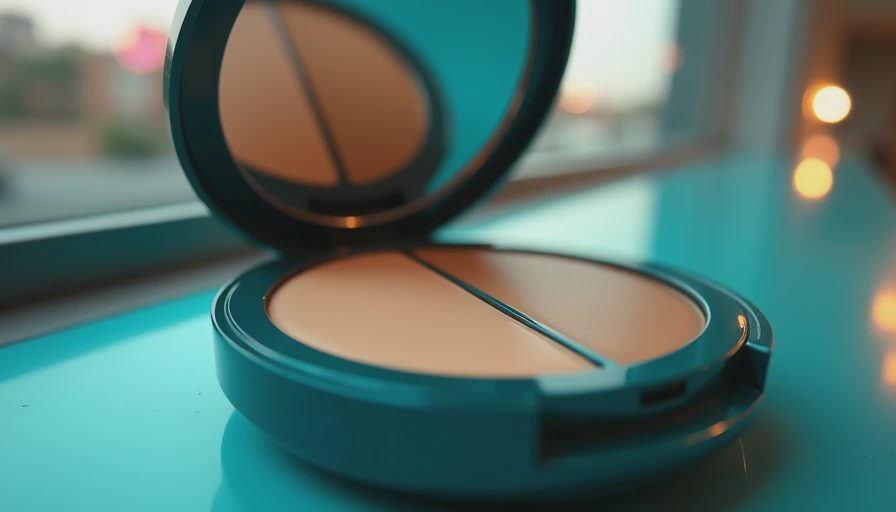
Is concealer and foundation the same in coverage?
They can have overlapping coverage levels, but they are not interchangeable in every situation. A sheer foundation might offer less coverage than a medium concealer, while a full-coverage foundation could cover more than a lightweight concealer. The difference is primarily where and how the product is intended to be used.
Foundation is formulated to be spread thinly over a broad surface. Concealer is generally formulated to stay concentrated in a smaller area. If you apply concealer all over your face, you may get a heavy, dry, or uneven result, especially with a matte formula. If you use only foundation on a dark mark, you might keep layering until the surrounding skin looks overdone.
For everyday makeup, try a small amount of foundation over the center of your face, then use concealer only where you still want additional coverage. This method often looks more like real skin than applying a thick base everywhere. On a good skin day, skip foundation and tap concealer around the nose, over a spot, or beneath the inner corners of your eyes.
Which one should you apply first?
There is no universal law, but foundation first is a reliable starting point. Apply your base lightly, allow it to settle, and then see what still needs attention. You may discover that the redness you planned to cover has already softened enough, saving product and preventing a cakey finish.
After foundation, tap concealer onto the areas that need help. Use a pressing motion rather than rubbing, especially under the eyes. Set only the places that crease or become shiny. A light dusting of translucent powder beneath the eyes and around the sides of the nose is usually more flattering than powdering the entire face.
There are exceptions. If you use a very sheer skin tint and want a sharply covered blemish, you can spot-conceal before or after it. Some color-correcting products also go underneath foundation because their peach, green, or lavender tones need a thin layer of base over them. The goal is not to follow a complicated ritual; it is to use the least product that gives you the finish you enjoy.
Is concealer and foundation the same for every skin type?
Skin type changes which textures feel comfortable, but it does not change the basic jobs of the products. Dry skin often prefers a luminous or satin foundation and a creamy concealer. Apply moisturizer first, allow it to absorb, and avoid loading powder onto flaky areas. A damp sponge can soften the appearance of foundation when a brush leaves it looking too textured.
Oily skin may prefer a long-wearing liquid foundation, powder foundation, or a satin formula that does not feel slippery. Use primer only where you need it, such as around the nose or forehead, rather than automatically applying it everywhere. Blotting papers can remove shine during the day without adding another layer of powder.
Combination skin can use different techniques on different zones. Keep the cheeks fresh and natural, then use a little more setting powder in the center of the face. Sensitive skin benefits from simple formulas and clean tools. Patch testing a new product is sensible, particularly if fragrance or certain preservatives have bothered you before.
Budget-friendly ways to build a base
You do not need a drawer full of expensive products. A drugstore foundation from brands such as Maybelline, L'Oreal, or e.l.f. can be a perfectly good starting point, and a well-matched shade matters more than a luxury label. NYX, The Saem, and NARS all offer popular concealer options at different price points, but the best choice is the one whose texture works with your skin and routine.
If you are buying your first base, start with one foundation or skin tint and one concealer rather than purchasing several finishes. Spend a week wearing them in daylight, indoors, and in photographs. Notice whether the product separates, creases, transfers, or still looks comfortable after several hours. That real-life test tells you more than a dramatic swatch under store lighting.
For a natural look, apply foundation with your hands and use a small brush only where you need precision. For an event, build thin layers instead of one thick coat. Remove everything gently at night with a cleansing balm or micellar water followed by your usual cleanser. Your skin does not need punishment for enjoying makeup.
The simplest routine to remember
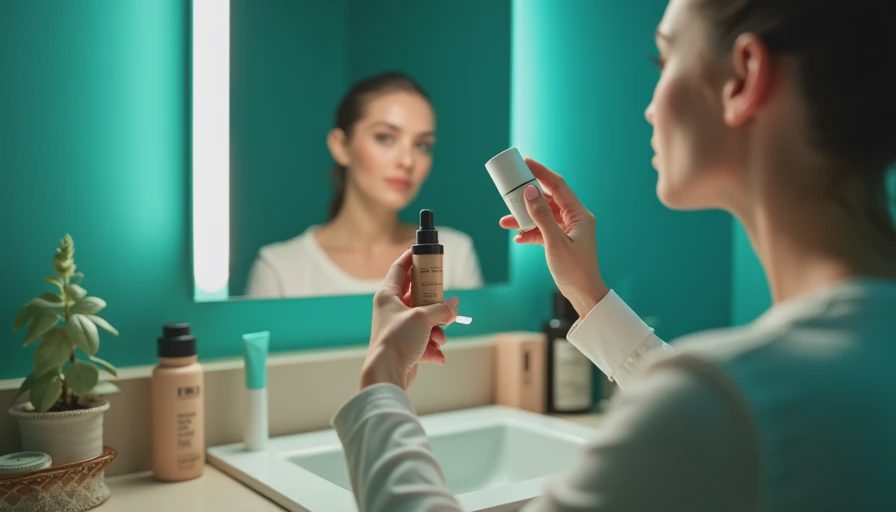
When someone asks, is concealer and foundation the same, I explain it this way: foundation evens the room, and concealer adjusts the picture on the wall. Start with moisturized skin and sunscreen during the day. Apply foundation only where you want overall evening. Add concealer to the few areas that still need attention, tap the edges, and set sparingly.
If your makeup looks thick, remove some rather than adding another product. If your under-eyes look dry, use less concealer and more skin preparation. If a blemish remains visible, that is not a failure; real skin has details, and a little detail often makes makeup look more believable.
The answer to is concealer and foundation the same is no, but you do not have to own both. Choose foundation when you want broad, even coverage. Choose concealer when you want targeted coverage. Use them together when that feels useful, not because a tutorial says your face needs fixing. Let me just show you the technique, then make it yours. You're already beautiful.
No notes yet — write the first one.