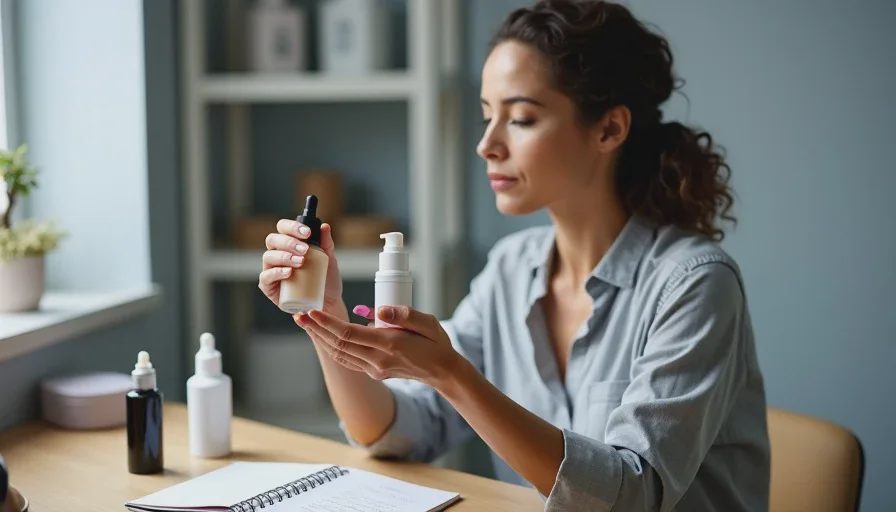
The drugstore foundation aisle is a wall of promises. Hydrating. Matte. Natural. Long-wear. Each bottle costs less than a lunch, and each one claims to be the one you've been waiting for. I used to think of these as "starter" products — something to use until you could afford better. After weeks of testing on real faces, I don't think that anymore.
Drugstore foundation has caught up. Some of these formulas perform as well as products that cost three times as much. The challenge isn't the price. It's knowing what to look for in a wall of fifty bottles. So I did what I always do: I bought them with my own money, wore them for weeks, and made notes. Here's what I found — including the one I'd tell my best friend to buy and the one I'd tell her to skip.
How I Tested Them
I tested five drugstore foundations over four weeks. They covered different finishes and different claims: one matte, one hydrating, one natural, one full-coverage, one serum-style. I wore each one for at least three full days, and I used them on clients with oily, dry, and combination skin.
I controlled the prep. Same moisturizer, same primer, same setting method. I photographed each one in daylight at the beginning of the day and again eight hours later. I looked at coverage, wear, oxidation, transfer, and how it felt after a full day.
The Eight-Hour Mark Matters Most
Any foundation looks good when you first apply it. The real test is hour eight. Does it fade evenly? Does it gather in the smile lines? Does it turn orange? Does it separate on the nose? These are the things you can't see in a quick mirror check at the store.
Oxidation Changes Everything
Drugstore foundations are more likely to oxidize than luxury ones, but the gap is shrinking. Some of the formulas I tested shifted half a shade after drying — which is manageable if you know to go lighter. Others shifted a full shade and turned distinctly orange. That's a dealbreaker no matter how good the texture is.
What to Look For in a Drugstore Foundation
Before I get to the recommendations, let me show you how I read a drugstore foundation without falling for the front label.
The Ingredient List
Look at the first three to five ingredients after water. If you see glycerin, hyaluronic acid, or squalane, the formula is likely friendly to dry skin. If you see silica or kaolin clay, it's designed for oil control. If alcohol is high on the list, skip it — it dries fast but irritates over time.
The Pump Test
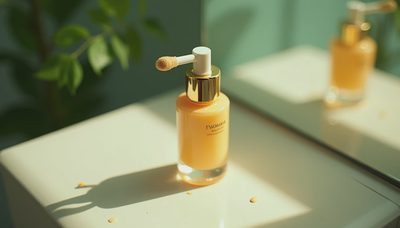
Does it have a pump? A dropper? A squeeze tube with a narrow tip? I avoid anything that pours out with no control. A pump means you can dispense the same amount each time, which is half the battle with foundation.
The Oxidize Test
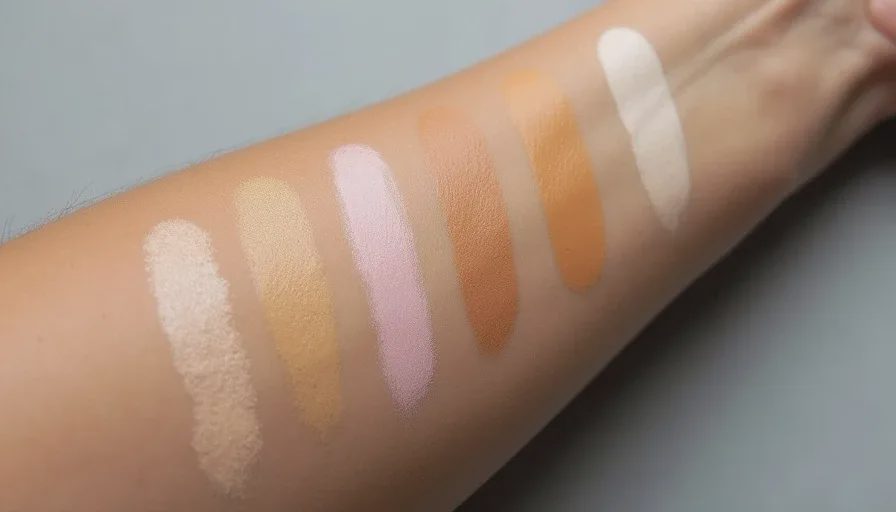
Swatch a small amount on your jaw or inner arm, wait ten minutes, and check the color. If it has changed, move on. Don't convince yourself you'll "make it work." You won't.
The One I'd Tell My Best Friend to Buy
This one surprised me. It was the serum-style foundation — the one with a dropper. I didn't expect much from it, but it won across the most skin types.
It has a thin, fluid texture that blends out to a natural skin-like finish. The coverage is light-to-medium, but it builds cleanly without getting cakey on dry patches or sliding off oily zones. On my own combination skin, it lasted through a full day with only minor fading around the nose. On a dry-skinned client, it didn't cling to flakes. On an oily client, it held up better than the matte formula I tested.
The shade range had a true neutral option, which is rare at this price. It oxidized about a quarter of a shade after ten minutes, then stayed stable for the rest of the day. I'd tell my best friend to buy this one — not because it's the cheapest, but because it's the most reliable.
The One I'd Skip
The matte formula. I wanted to like it. The bottle looked sleek, the shade matched well in the store, and the first hour looked gorgeous. Then hour three came.
On my own skin, it began to separate on my nose and gather in the fine lines around my mouth. By hour six, it looked patchy on my chin. On my oily-skinned client, it controlled shine for the first few hours but then broke down unevenly, leaving a ring of oil around the areas that had gone matte. On my dry-skinned client, it emphasized texture she didn't know she had.
It also oxidized more than any other formula I tested. The shade she applied at 8 a.m. was not the shade she had at noon. I'd tell my best friend to skip this one, even though it's popular. Popular doesn't mean it works on real skin.
What I'd Actually Say to Her
If my best friend texted me from the drugstore aisle, standing in front of fifty bottles, here's what I'd tell her:
Start with your skin type. Oily? Look for lightweight and oil-free, but don't assume matte means better. Dry? Look for hydrating ingredients and avoid alcohol. Combination? Pick a natural finish and powder only where you need it.
Then do the oxidize test before you buy. Swatch, wait, check. That one step will save you from half the mistakes in the aisle.
And if she asked me to just tell her one to buy, I'd tell her the serum-style one with the dropper. It's the closest thing I've found to a universal drugstore foundation — and I didn't believe that until I watched it hold up on three different faces, three different skin types, three different days.
The Honest Bottom Line
Drugstore foundation is no longer the compromise it used to be. There are formulas on that wall that I'd put against anything in my pro kit. There are also formulas that would make a good first impression and a bad eight-hour story. The difference isn't always visible at the counter. It shows up later, on your face, under real light.
So test before you trust. Wait before you buy. And when you find the one that works, tell a friend — because that's the only review that ever mattered.

No notes yet — write the first one.