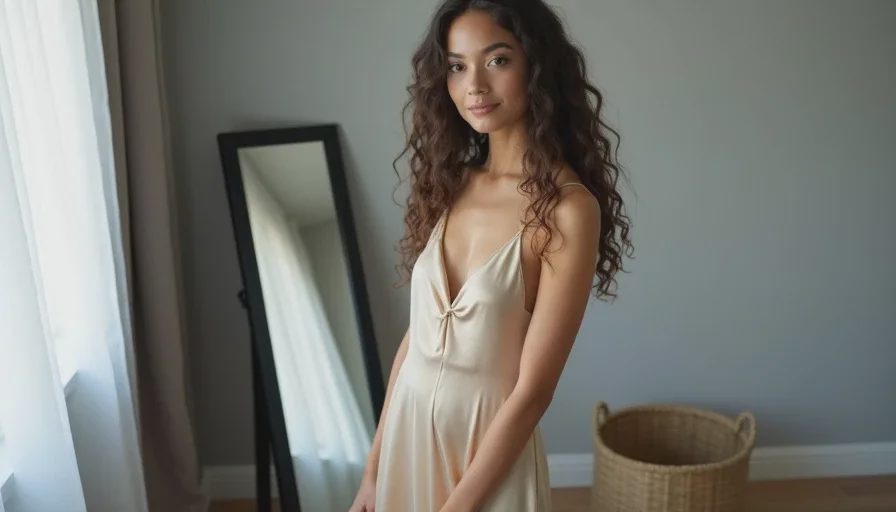
I used to get dressed in three separate acts: pick the clothes, then do my makeup, then figure out my hair. The result was fine — sometimes. But often, something felt off, and I couldn’t name it. The lip was too cool for the sweater, the hair too polished for the dress, the whole thing looked like three different women standing in one mirror.
Then I started treating a face, a hairstyle, and an outfit as one thing, not three. That shift changed everything. I call it the outfit–makeup–hair triangle, and the rule is simple: start with one point, and let the other two follow. You don’t need a fashion degree or a massive wardrobe. You just need a starting piece and a little attention to color, texture, and era.
What the Triangle Actually Means
The triangle works because your face, hair, and clothes all sit in the same frame — your body. When they fight each other, the eye gets confused. When they support each other, the whole look lands.
This doesn’t mean everything has to match perfectly. Matching is overrated. It means everything has to relate. A warm-toned dress asks for warm-toned makeup. A soft, romantic hairstyle needs a soft, romantic lip. A sharp blazer can handle a sharper eye. Once you see those connections, you don’t need a stylist — you need one piece you love and the willingness to let it lead.
Start With the Clothes
Most of the time, I start with clothes. It’s the biggest surface area, and it sets the era and the mood. A thrifted ‘90s slip dress, for example, carries a whole vibe: silk, slinky, a little undone. If I put a full-coverage matte base and a structured updo with it, I’ve killed the ease. Instead, I let the dress dictate soft skin, a smudged brown liner, a muted berry lip, and hair that looks like it air-dried.
Build the Look Around One Garment
Pick the piece that speaks loudest — a patterned blouse, a vintage coat, a pair of colored trousers — and ask it three questions:
What era is this from, or what era does it evoke?
What are the dominant colors and undertones?
What texture is it? Soft, crisp, shiny, worn-in?
Your makeup and hair should answer those questions. A crisp white shirt can go clean and fresh with a red lip and sleek hair, or undone and easy with bronzed skin and loose waves. Both work — but only because the answers come from the shirt, not from a separate mood.
Start With the Makeup
Sometimes I start with the makeup, especially when I’m testing a new lip color or an eyeshadow technique. I’ll put on a specific red — a blue-based, slightly faded one — and suddenly my faded black jeans and a cream silk camisole make sense. The lip is the point, and the clothes support it by staying quiet.
This works well on days when you only have ten minutes for the whole thing. Pick one feature you want to carry the look, and let everything else step back. A bold eye can handle a simple tee and a low bun. A bright lip can turn a gray sweater into a look. The triangle still holds — you just entered it from a different corner.
Start With the Hair
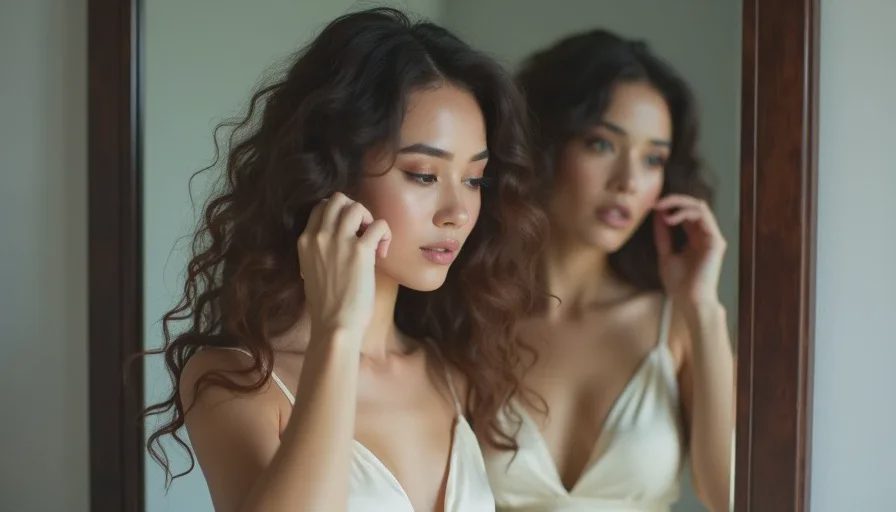
Hair is the most overlooked starting point, but it can anchor a whole look. A set of soft vintage waves, for example, immediately pulls your face and your clothes toward a certain era. If my hair has that shape, I’ll choose a sheer base, a defined brow, and a lip that doesn’t compete — maybe a rosewood or a soft coral.
The mistake I used to make was doing “fancy” hair with no thought to the rest. A structured updo with a slouchy sweater and bare skin can feel disconnected. The hair is too formal for the clothes and the face. If I start with the hair and let the other two follow, I can make that updo work by adding a crisp shirt and a clean eye. Or I can loosen the updo and keep the slouch. Either way, one point leads.
The Common Mistakes to Avoid
I’ve made all of these at least once, and I see them all the time.
Color Confusion
Warm hair, cool lip, neutral clothes, and a random pop of pink somewhere. That’s not a palette — it’s a traffic jam. Pick one undertone family and stay in it. Warm skin and hair? Go warm with your lip and your clothes. Cool skin? Do the same. Neutral? Lucky you — pick a lane for the day.
Texture Clash
A heavy velvet dress with a glowy, dewy face can feel stuffy. A crisp cotton shirt with a heavy matte base can feel flat. Let texture guide you. Soft fabrics like silk and knits pair well with a more natural, skin-like finish. Structured fabrics like tweed and denim can handle a sharper brow and a more defined lip.
Era Overload
If you’re wearing a full 1950s dress, a victory roll, and a pinup lip, you’re in costume territory. That’s fine if costume is the point, but for everyday, pick one era cue and let the rest be modern. A vintage dress with a modern lip and soft waves is more wearable than a head-to-toe time capsule.
The Real Goal of the Triangle
This isn’t about looking polished all the time. It’s about looking like one person, not three. When your clothes, makeup, and hair are in the same conversation, you feel more comfortable — and when you’re comfortable, that shows.
So the next time you’re standing in front of your wardrobe, don’t ask “what should I wear?” Ask “what’s the one piece I want to build today?” Then let the rest follow.
Where This Fits Into Everything Else
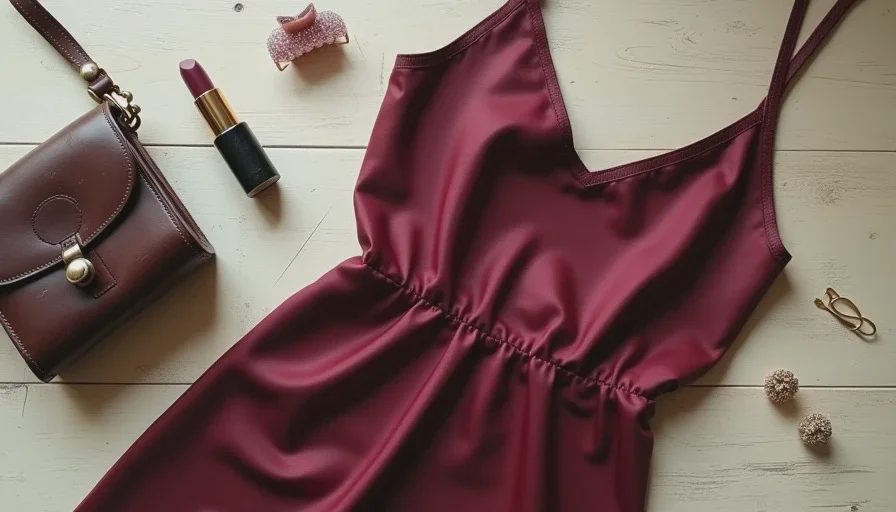
You don’t need a new wardrobe to start using the triangle. You need one piece you already love and a few minutes to ask it questions. That’s it. The triangle is a tool, not a rulebook. And like everything else I share here, it starts from the same place: you’re already beautiful. The triangle just helps the rest of the room see it.

No notes yet — write the first one.